Top 10 Common Racking System Problems and How to Fix Them

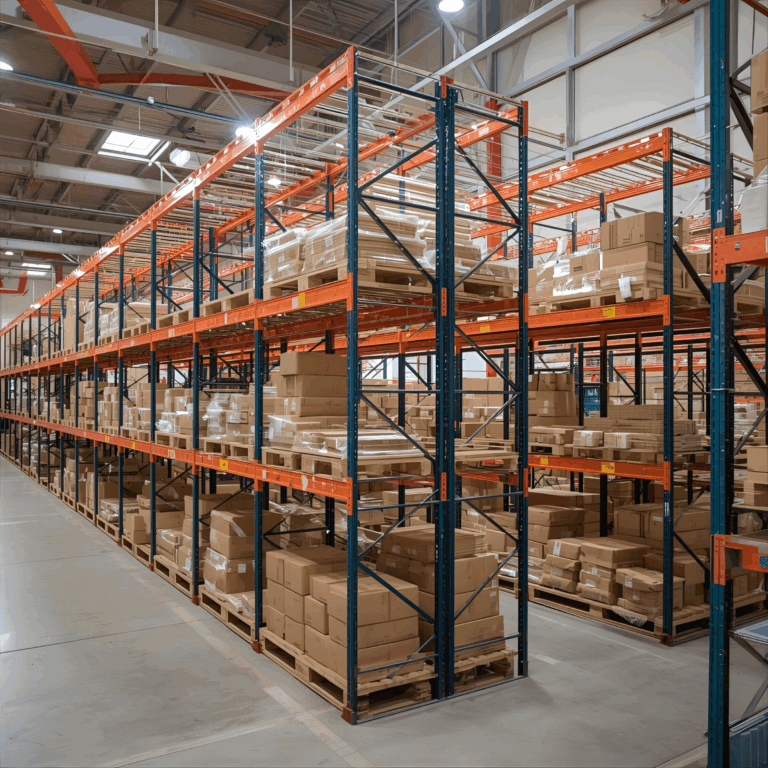
A warehouse racking system is one of the most important investments for any storage facility. It keeps your products organized, improves productivity, and maximizes space. However, like any structure, racking systems can develop problems over time—especially when they’re used daily, overloaded, or improperly maintained. The good news? Most issues can be solved quickly when identified early.
Below are the Top 10 most common racking system problems and simple ways to fix them before they become safety risks or cost you money.
1. Overloading the Racks
One of the most frequent issues is placing more weight than the racking system is designed to carry. Overloading can cause beams to bend, frames to twist, and shelves to collapse.
How to Fix It:
- Check the manufacturer’s load capacity.
- Place clear load signs on every rack.
- Train forklift operators to follow weight limits.
- Never mix pallets with unknown weights.
2. Misaligned or Improperly Installed Racks
If the rack isn’t installed properly or leveled correctly, it becomes unstable. Misalignment increases the risk of collapse and damages pallets during loading.
How to Fix It:
- Have your racking system installed by certified professionals.
- Use racks with proper leveling plates.
- Conduct periodic vertical alignment checks.
3. Damaged Uprights and Frames
Forklift impact is the number one reason racking uprights get damaged. Even small dents can weaken the entire structure.
How to Fix It:
- Inspect uprights weekly for dents or bends.
- Install upright protectors or column guards.
- Replace damaged frames immediately—never repair them by welding.
4. Loose or Missing Bolts
Over time, bolts in the racking system can loosen due to vibration, load movement, or improper installation. Missing bolts reduce the overall strength of the system.
How to Fix It:
- Tighten all bolts during monthly inspections.
- Use locking nuts or safety clips to prevent loosening.
- Replace missing or rusted bolts immediately.
5. Poor Floor Anchoring
Anchors secure the racking system to the warehouse floor. If anchoring is weak or missing, the racks become unstable—especially during forklift operation.
How to Fix It:
- Ensure every upright is properly anchored.
- Use heavy-duty, corrosion-resistant anchors.
- Re-anchor any loose frames before loading.
6. Using the Wrong Type of Racking System
Every warehouse has different needs. Using the wrong rack type—such as light-duty shelving for heavy pallets—leads to structural issues and safety risks.
How to Fix It:
- Choose racking based on load type, pallet size, and warehouse layout.
- Consult storage specialists before purchasing.
- Upgrade to heavy-duty racks for industrial goods.
7. Forklift Damage to Beams
Beams commonly get damaged when forklift drivers lift pallets too high or hit the edges while placing loads. Bent beams compromise overall stability.
How to Fix It:
- Train operators on safe loading practices.
- Install beam protectors or safety bars.
- Replace any bent or cracked beams immediately.
8. Poor Housekeeping and Clutter
Messy aisles, damaged pallets, and loose items increase the risk of racking collapse and workplace accidents.
How to Fix It:
- Maintain a clean and organized warehouse layout.
- Use quality pallets that are not broken or cracked.
- Keep aisles clear to ensure smooth forklift movement.
9. Rust, Corrosion, and Environmental Damage
Moisture, chemicals, and temperature changes can cause rust, especially in outdoor or poorly ventilated warehouses.
How to Fix It:
- Use powder-coated or galvanized racking in high-moisture areas.
- Inspect racks regularly for rust spots.
- Treat rust early and replace severely corroded parts.
10. Lack of Regular Inspections
The biggest problem is ignoring small signs of damage until it becomes a serious issue. Without periodic checks, you may miss early warnings.
How to Fix It:
- Conduct monthly internal inspections.
- Schedule annual professional assessments.
- Keep a maintenance log for all repairs and replacements.
- Train your staff to identify early signs of rack damage.
Conclusion
Racking system problems are common—but completely preventable. With regular maintenance, proper installation, and trained staff, you can extend the life of your racks and ensure a safe working environment. Fixing issues early not only protects your inventory but also prevents costly downtime and accidents.