Racking and Beam Support Systems: The Foundation of Safe and Efficient Storage
In modern warehouses and industrial facilities, space optimization and safety are top priorities. A well-designed racking and beam support system plays a vital role in achieving both. These systems are not just metal structures; they are engineered solutions that support heavy loads, improve workflow efficiency, and protect both people and products. Understanding how racking and beam supports work helps businesses make smarter storage decisions and avoid costly risks.
Understanding Racking Support Systems
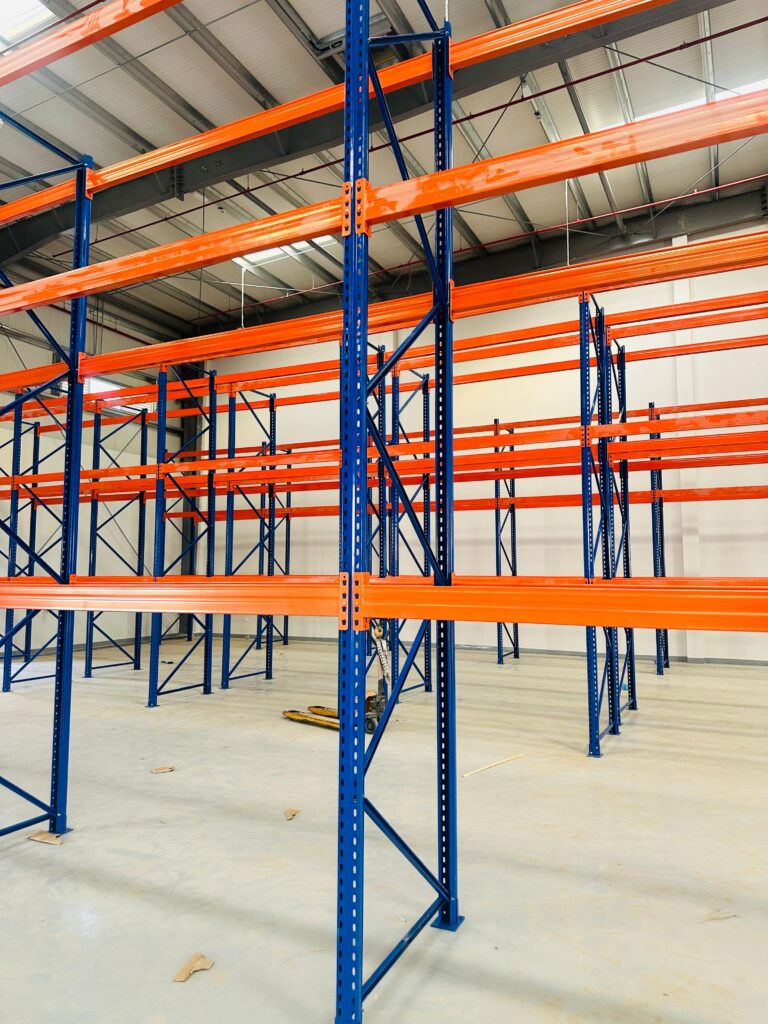
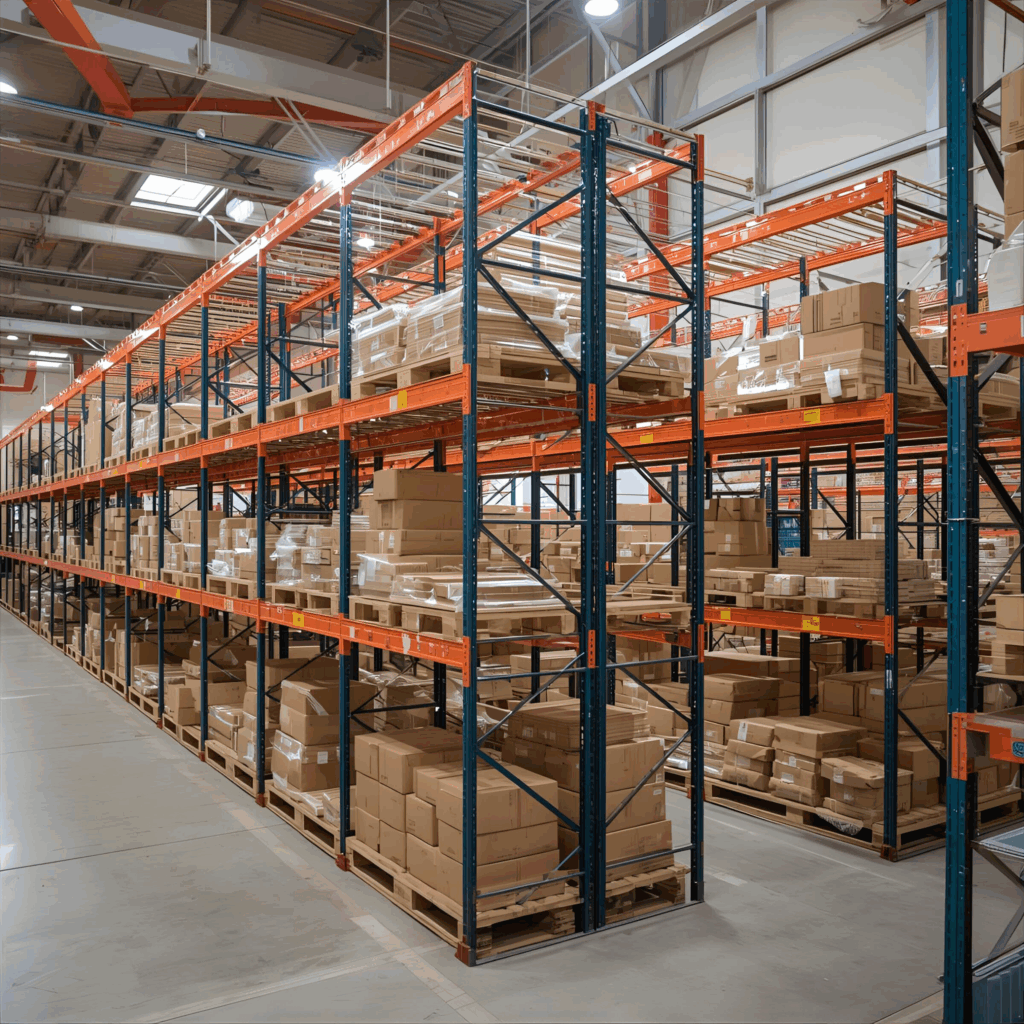
Racking support refers to the vertical framework of a storage system. It includes uprights, bracing, base plates, and anchors that together create a strong and stable structure. The primary function of racking support is to transfer the load from stored goods directly to the warehouse floor while maintaining structural balance.
High-quality racking supports are manufactured using high-strength steel and are designed to withstand constant load pressure, vibration from forklift movement, and daily operational stress. Properly engineered supports ensure that the rack remains upright, aligned, and secure even when fully loaded. This is especially important in high-bay warehouses where racks reach significant heights.
The Role of Beam Support in Storage Racking
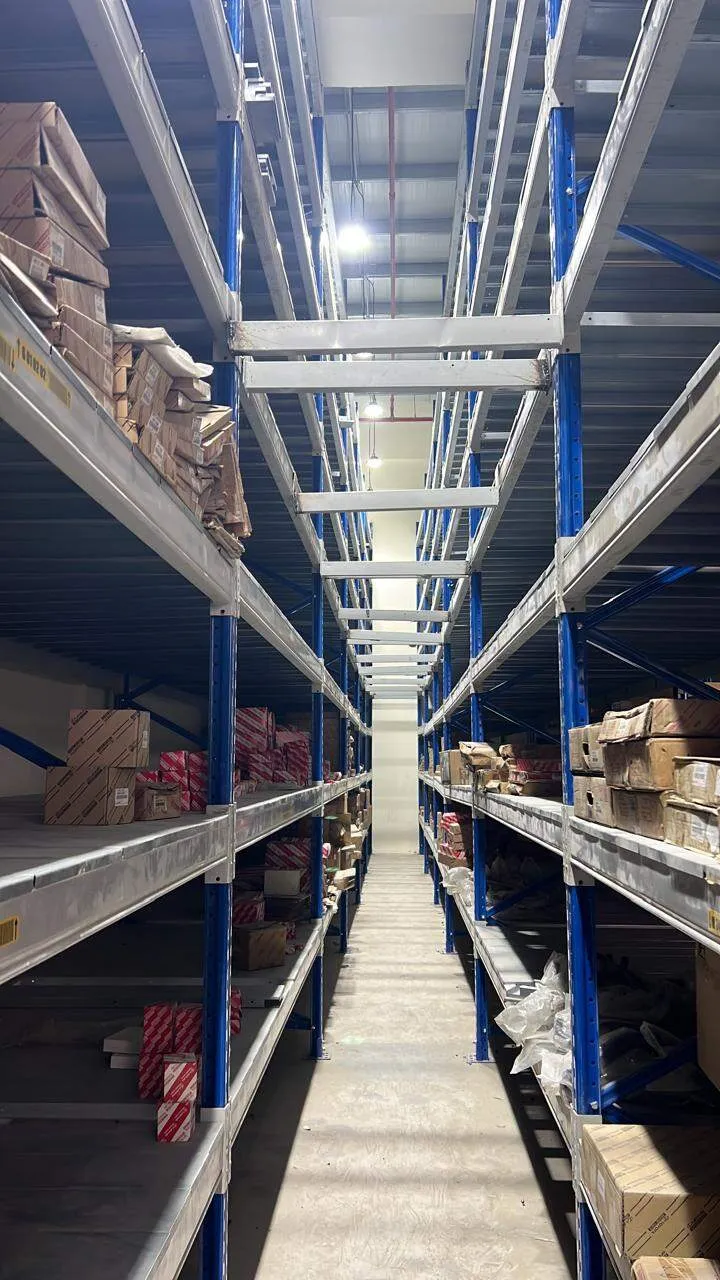
Beam supports are the horizontal members that connect the upright frames. They directly carry the weight of pallets, cartons, or stored materials. Without reliable beam support, even the strongest uprights cannot perform effectively.
One of the key advantages of beam-supported racking systems is flexibility. Beams can be adjusted vertically, allowing warehouses to accommodate different pallet sizes and load heights. This adaptability helps businesses respond quickly to changing storage needs without investing in a completely new system.
Beam supports are also designed with safety locks or connectors that prevent accidental dislodging during forklift operations. This added security significantly reduces the risk of rack failure and workplace accidents.
Types of Beams Used in Racking Systems
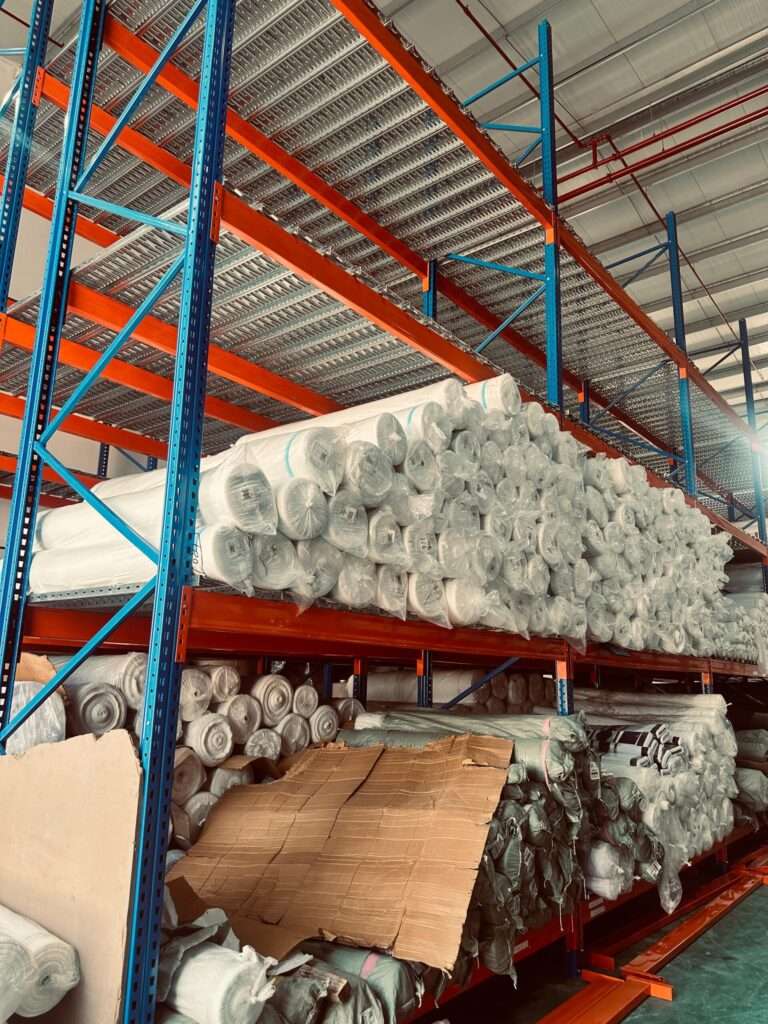
Different storage requirements demand different beam designs. Box beams are commonly used for heavy-duty pallet racking because they provide excellent strength and load distribution. Step beams are ideal when wire mesh decking or timber boards are required, offering additional support for smaller or uneven loads. For extremely heavy or specialized storage applications, structural beams provide maximum strength and long-term durability.
Selecting the right beam type depends on factors such as load weight, pallet dimensions, rack height, and operational conditions.
Importance of Load Capacity and Safety
Every racking and beam support system is designed with specific load ratings. Exceeding these limits can lead to bending, deformation, or complete structural failure. Proper load calculation is essential during the planning stage to ensure the system can safely handle both static and dynamic loads.
Safety is further enhanced through proper installation and regular inspection. Anchoring the uprights securely to the floor, ensuring beams are correctly locked in place, and maintaining clear load signage are all critical safety practices. Routine inspections help identify early signs of damage, such as bent beams or loose anchors, allowing corrective action before serious issues arise.
Enhancing Warehouse Efficiency
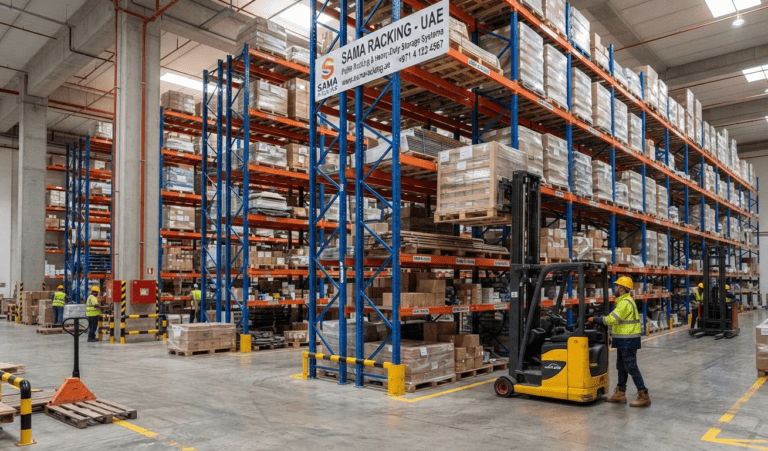
Beyond safety, racking and beam support systems directly influence warehouse productivity. Well-organized racks improve accessibility, reduce picking time, and streamline inventory management. Forklift operators can move confidently through clearly defined aisles, while staff can locate and retrieve goods quickly.
By using vertical space efficiently, businesses can store more products within the same floor area. This reduces the need for warehouse expansion and lowers overall operating costs. A properly designed racking system also supports better stock rotation and inventory control.
Customization for Different Industries
Racking and beam support systems are not one-size-fits-all solutions. Different industries require customized designs based on their products and workflows. Manufacturing facilities may need heavy-duty systems for raw materials, while retail distribution centers often prioritize speed and flexibility. Cold storage facilities require special coatings and materials to withstand low temperatures and humidity.
Custom-designed racking systems ensure optimal performance, safety, and longevity for each specific application.
Why Quality Matters
Investing in high-quality racking and beam supports is a long-term decision. Poor-quality materials or improper design can lead to frequent repairs, operational downtime, and safety hazards. Quality systems provide durability, reliability, and peace of mind, allowing businesses to focus on growth rather than maintenance issues.
Conclusion
Racking and beam support systems form the backbone of efficient and safe storage operations. When properly designed, installed, and maintained, they offer unmatched strength, flexibility, and space optimization. By choosing the right system and working with experienced professionals, businesses can create a warehouse environment that is productive, secure, and built for the future.