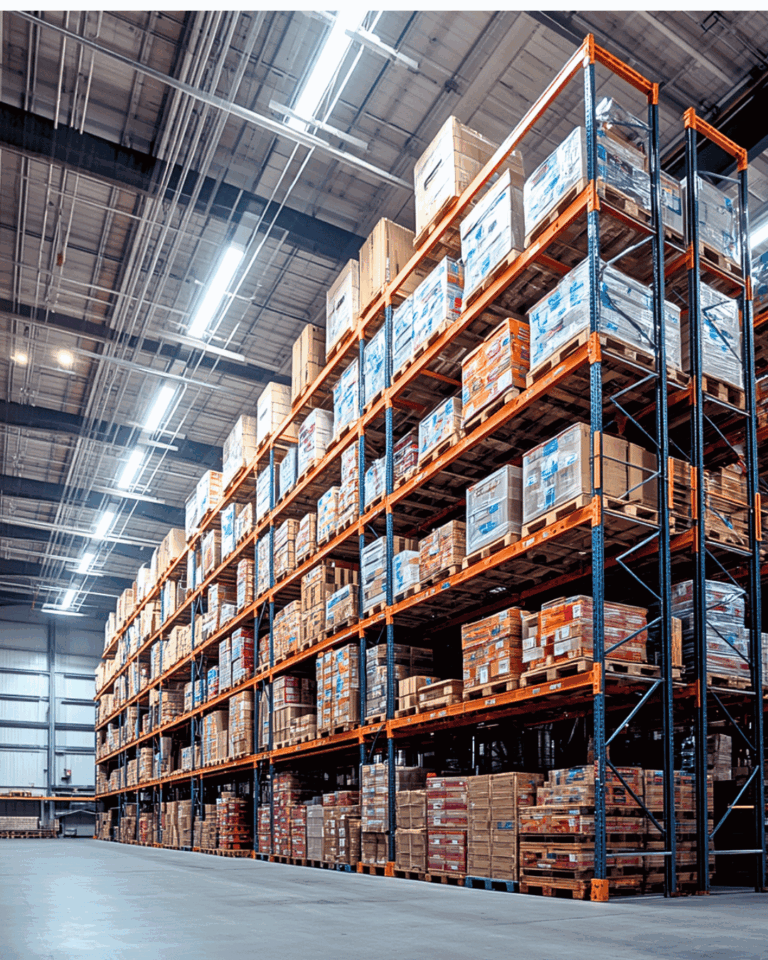
Grading for Racking Shelves: Ensuring Safety, Strength, and Performance

Racking shelves play a vital role in warehouses, storage rooms, retail spaces, and industrial facilities. They are designed to hold products safely, maximize space, and support efficient operations. However, not all racking shelves are the same. This is where grading for racking shelves becomes extremely important. Grading helps identify the strength, load capacity, material quality, and suitability of shelving systems for different applications.
What Is Grading in Racking Shelves?
Grading for racking shelves refers to the classification of shelves based on load-bearing capacity, material thickness, structural design, and usage type. It ensures that the shelving system meets safety standards and performs reliably under specific working conditions. Proper grading helps businesses select the right racking solution while minimizing the risk of collapse, product damage, or workplace accidents.
In industrial and commercial environments, grading is not just a recommendation—it is a critical safety requirement.
Why Grading Is Important for Racking Systems
The main purpose of grading is to ensure that racking shelves can safely handle the intended loads. Overloading shelves that are not properly graded can lead to bending, deformation, or sudden failure. This can cause injuries to workers and significant financial losses.
Grading also helps in:
- Improving warehouse safety
- Extending the lifespan of racking systems
- Meeting local and international safety standards
- Optimizing storage efficiency
- Reducing maintenance and replacement costs
Common Grading Categories for Racking Shelves
Racking shelves are generally graded into three main categories based on load capacity and usage:
1. Light-Duty Racking Shelves
Light-duty shelves are designed for storing low-weight items such as cartons, files, tools, and small spare parts. These shelves are commonly used in offices, retail stores, archives, and small storage rooms.
- Load capacity: Up to 150–200 kg per shelf
- Material: Thin-gauge steel or metal sheets
- Easy to assemble and adjust
- Cost-effective solution for light storage needs
2. Medium-Duty Racking Shelves
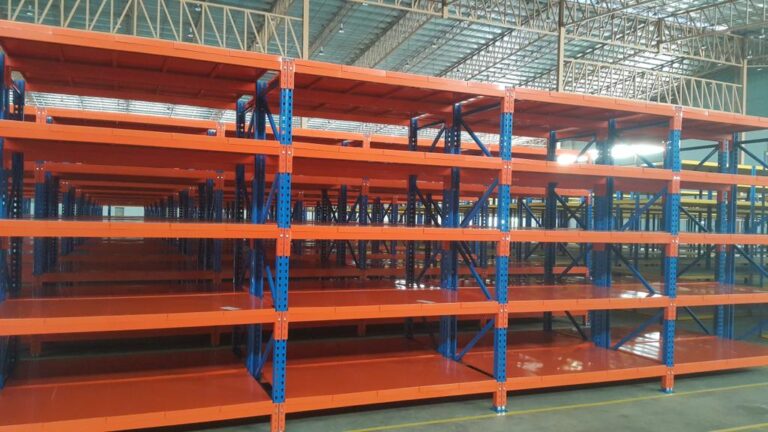
Medium-duty shelving Grading for Racking Shelves is suitable for warehouses, workshops, and back-end storage areas where moderate loads are handled regularly. These shelves offer better strength and stability compared to light-duty systems.
- Load capacity: 200–500 kg per shelf
- Material: Stronger steel sections and reinforced shelves
- Suitable for boxes, tools, and equipment
- Adjustable levels for flexible storage
3. Heavy-Duty Racking Shelves
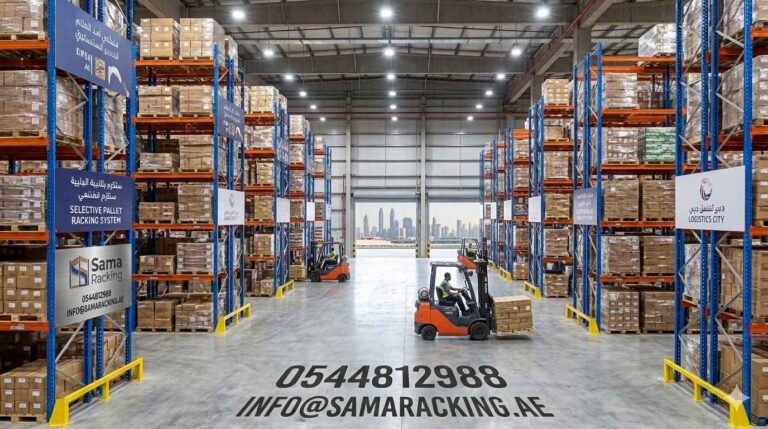
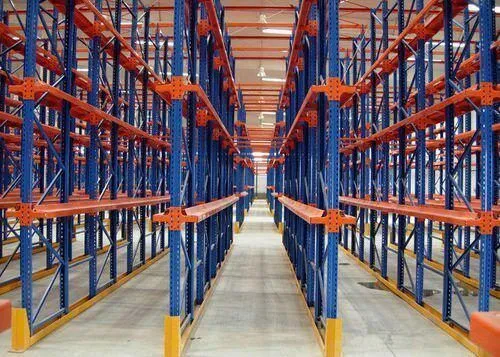
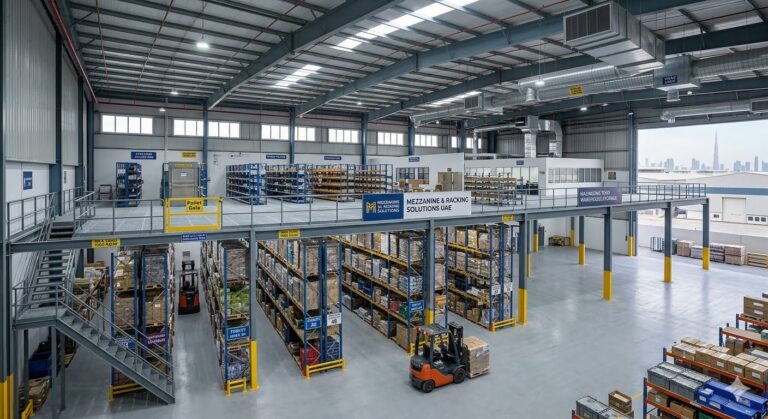
Heavy-duty racking shelves are engineered for industrial use where high loads and palletized goods are stored. These systems are commonly found in logistics centers, manufacturing units, and large warehouses.
- Load capacity: 500 kg to several tons per level
- Material: High-grade structural steel
- Designed to handle forklifts and pallet loads
- Requires professional installation and inspection
Factors That Determine Racking Shelf Grading
Several factors are considered when grading racking shelves:
Material Quality:
Grading for Racking Shelves High-quality steel with proper thickness and protective coatings improves strength and corrosion resistance.
Shelf Design:
The design of beams, uprights, and connectors directly affects load distribution and overall stability.
Load Distribution:
Evenly distributed loads perform better than point loads. Grading accounts for safe load distribution.
Environmental Conditions:
Humidity, temperature, and chemical exposure can impact shelf durability, especially in industrial environments.
Compliance with Standards:
Graded racking systems often comply with standards such as EN, FEM, or local safety regulations.
Load Rating and Safety Labels
Properly graded racking shelves must display load rating labels. These labels indicate the maximum safe load per shelf or per bay. Clear labeling helps warehouse staff avoid overloading and ensures compliance with safety audits.
Regular inspections should be carried out to confirm that shelves are used within their graded limits.
Choosing the Right Grading for Your Storage Needs
Selecting the correct grading depends on:
- Type of goods stored
- Weight per item or pallet
- Frequency of loading and unloading
- Available space and height
- Equipment used (manual handling or forklifts)
Consulting a professional racking supplier ensures that the shelving system is correctly graded and installed for long-term performance.
Conclusion
Grading for racking shelves is a crucial factor in building safe, efficient, and durable storage systems. Whether it is light-duty shelving for offices or heavy-duty racking for industrial warehouses, proper grading ensures that shelves can handle their intended loads without risk. Investing in correctly graded racking systems not only improves operational efficiency but also protects people, products, and property.
By understanding racking shelf grading and choosing the right system, businesses can achieve safer storage and better space utilization for years to come.