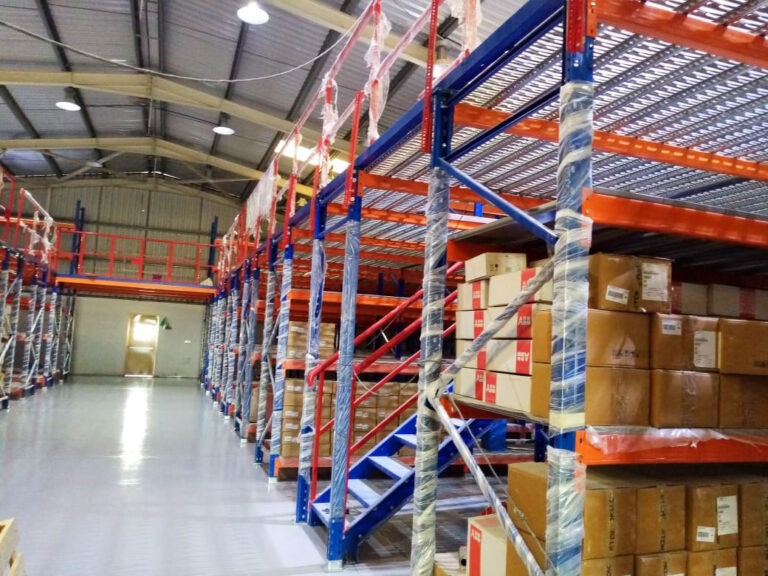
Mezzanine Racking System – Multiply Your Warehouse Space Without Expanding
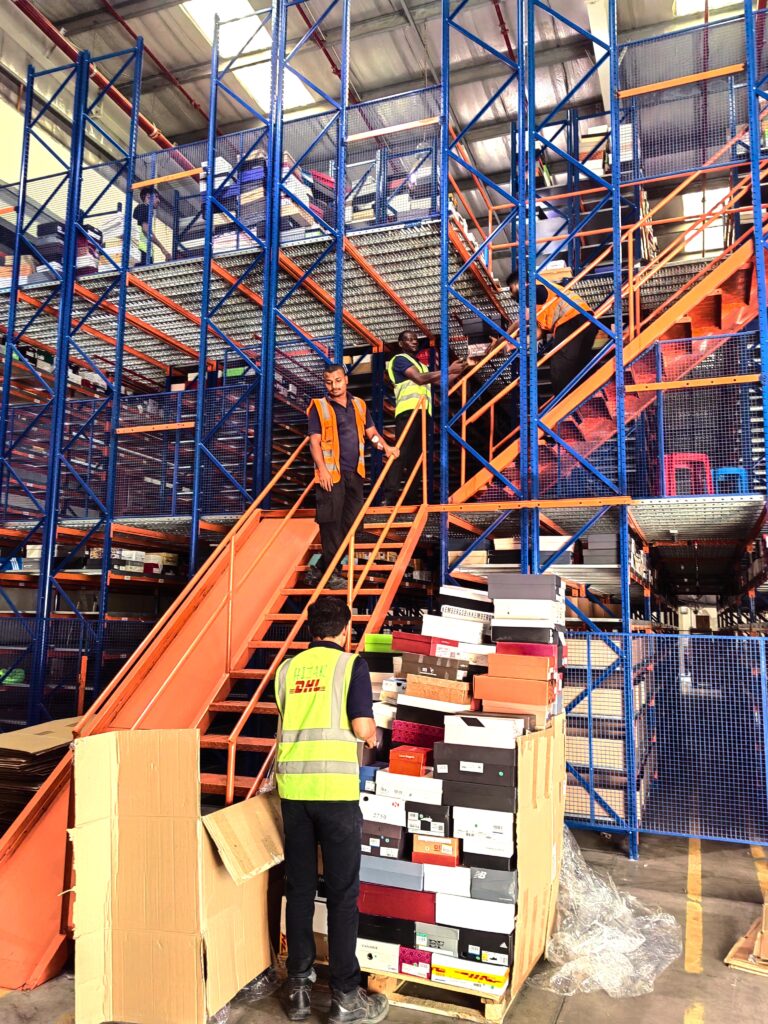
Every growing warehouse eventually faces the same challenge: space runs out faster than expected. Inventory increases, operations expand, and suddenly the floor becomes crowded. Moving to a bigger facility can be expensive and disruptive. This is where a Mezzanine Racking System becomes a practical and cost-effective solution.
A mezzanine system allows businesses to make use of vertical space inside the warehouse. Instead of expanding outward, it creates additional floors within the same building. This simple idea can double or even triple usable storage and working space.
What is a Mezzanine Racking System?
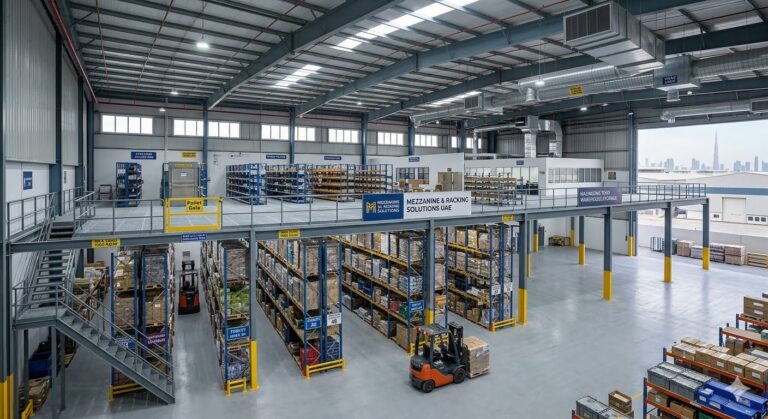
A mezzanine racking system is a raised steel platform installed between the warehouse floor and ceiling. It acts like an extra floor that can be used for storage, offices, packing areas, or production zones.
Many warehouses have high ceilings but only use the ground level. The empty air above is wasted space. A mezzanine turns this unused vertical height into valuable working and storage areas without major construction work.
Why Businesses Choose Mezzanine Racking
Modern warehouses need to be efficient, organized, and scalable. Mezzanine racking supports all three goals.
1. Maximum Space Utilization
Instead of paying for new land or construction, businesses use the height they already have. This is one of the biggest advantages.
2. Lower Expansion Costs
Relocating a warehouse involves rent, construction, and downtime. Installing a mezzanine costs much less and can be completed quickly.
3. Flexible Design
Mezzanine floors are fully customizable. They can be designed to match the workflow of the warehouse and changed later if needs grow.
4. Better Workflow
Different levels can be used for different tasks. For example, storage on one level and packing on another. This reduces congestion and improves efficiency.
Types of Mezzanine Racking Systems
Not all mezzanine systems are the same. They are designed based on the type of goods and operations.
Rack Supported Mezzanine
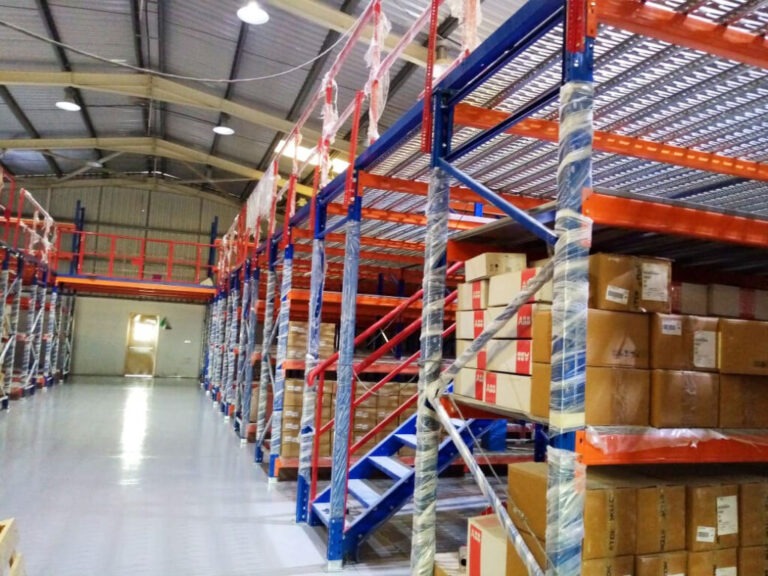
This design uses pallet racks as the base support for the platform. It combines racking and mezzanine in one structure, saving space and cost.
Best for: Pallet storage and high-density warehouses.
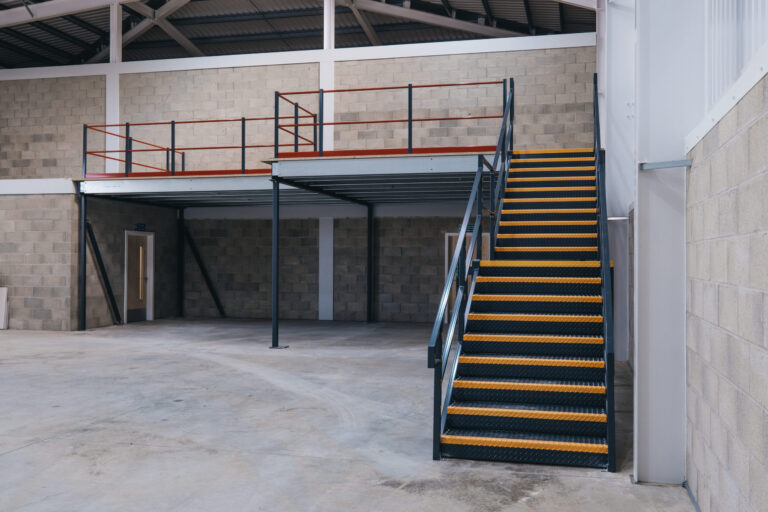
Structural Mezzanine
A free-standing platform supported by steel columns. It is strong and ideal for heavy loads or machinery.
Best for: Manufacturing and industrial environments.
Shelving Supported Mezzanine
Shelving units support the platform instead of pallet racks. It is perfect for storing smaller items.
Best for: E-commerce, retail, and spare parts storage.
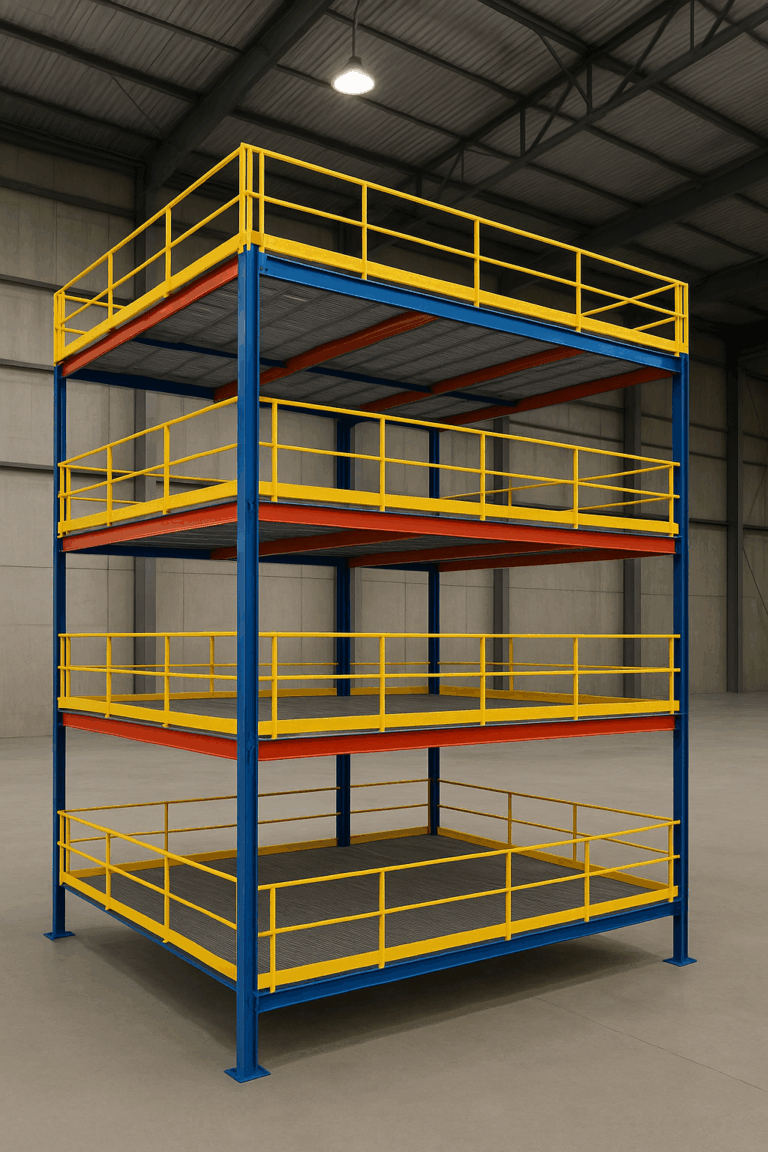
Multi-Tier Mezzanine
Creates two or more additional floors, turning one level into multiple storage tiers.
Best for: Businesses needing maximum storage capacity.
Key Components of a Mezzanine System
A mezzanine may look simple, but it is built with carefully engineered components to ensure safety and durability.
Main components include:
- Steel columns and beams
- Decking or flooring panels
- Staircases and access ladders
- Handrails and safety gates
- Loading areas for pallets
- Lighting and electrical integration if required
Each component is designed based on load capacity and warehouse layout.
Industries That Use Mezzanine Racking
Mezzanine systems are used in many industries because of their flexibility.
Warehousing and Logistics
Helps manage growing inventory without expanding the building.
E-commerce and Retail
Provides space for order picking, packing, and product storage.
Manufacturing
Creates extra space for production, assembly, and spare parts.
Automotive Industry
Stores thousands of small components efficiently.
Cold Storage
Maximizes expensive refrigerated warehouse space.
Benefits of Installing a Mezzanine System
Doubled Storage Capacity
One of the biggest advantages is the dramatic increase in usable space. Some warehouses gain up to three times more storage.
Improved Organization
Different floors can be assigned to specific tasks, improving workflow and reducing clutter.
Quick Installation
Compared to building expansion, mezzanines can be installed with minimal disruption to operations.
Future Expansion Ready
The structure can be modified, expanded, or relocated if the business moves.
Cost Savings
Businesses avoid relocation costs and make better use of their existing facility.
Safety Considerations
Safety is a top priority when installing mezzanine racking.
Important safety features include:
- Anti-slip flooring
- Guardrails and handrails
- Safety gates for pallet loading
- Proper load capacity markings
- Fire safety compliance
Professional design and installation ensure long-term reliability and safe operations.
Is Mezzanine Racking Right for Your Warehouse?
If your warehouse has high ceilings and limited floor space, a mezzanine system is an ideal solution. Businesses experiencing fast growth or inventory expansion benefit the most from this system.
It allows companies to scale operations without moving to a new location.
Conclusion
A mezzanine racking system is a smart investment for businesses looking to grow without the cost of relocation or building expansion. By using vertical space effectively, warehouses become more organized, efficient, and future-ready.
Instead of worrying about space limitations, businesses can focus on productivity and growth. With the right design and planning, a mezzanine system can transform any warehouse into a high-capacity storage and operations hub.