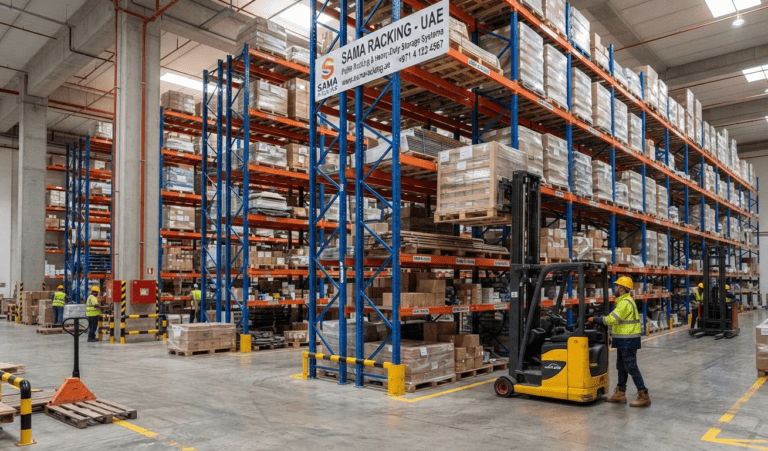
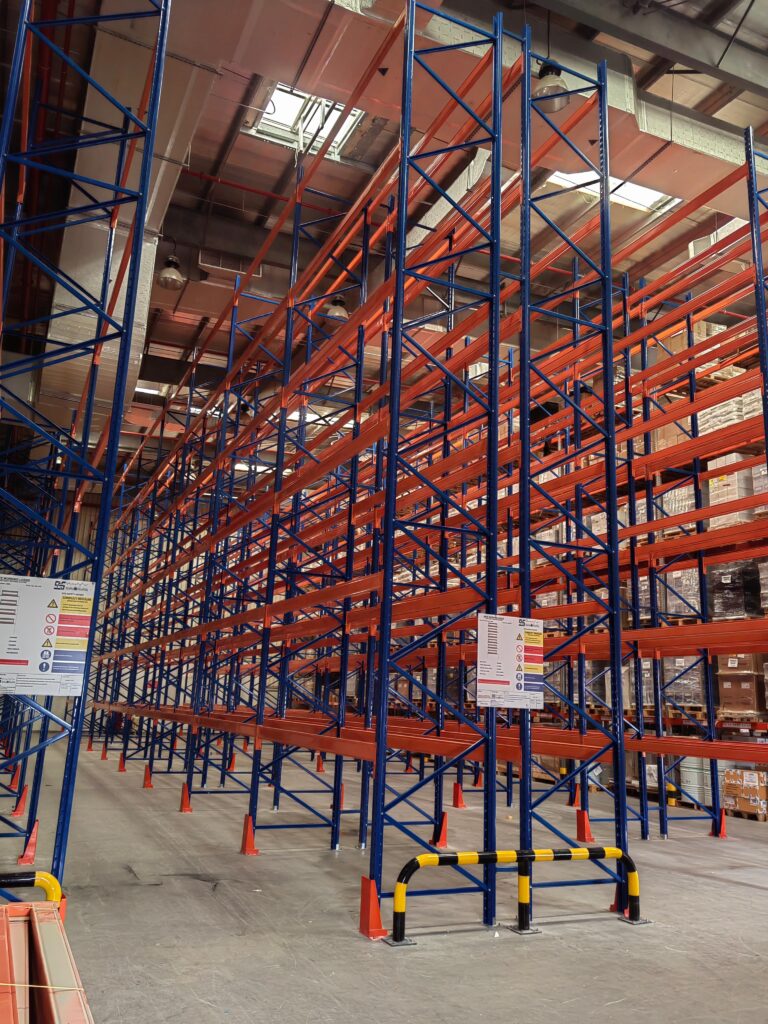
Industrial Warehouse Racking in UAE into any thriving warehouse across Dubai, Abu Dhabi, or Sharjah, and you’ll notice something immediately: space is never wasted. Every inch of vertical height is put to work, aisles are laid out with precision, and goods move in and out without bottlenecks. None of this happens by accident. It’s the result of a well-planned racking system designed specifically for the demands of the region’s fast-growing logistics and industrial sectors.
The UAE has positioned itself as a major trade and distribution hub connecting Asia, Europe, and Africa. With that role comes enormous pressure on warehousing infrastructure. Businesses can no longer afford to store inventory haphazardly or rely on outdated shelving that limits capacity. Instead, they need storage systems built to handle high volumes, extreme temperatures, and constant activity, day in and day out.
Why Racking Matters More Than Ever
Industrial Warehouse Racking in UAE isn’t just about stacking boxes higher. It’s about creating an organized ecosystem where every product has a designated place, every forklift movement is efficient, and every square meter of floor space generates value. A poorly designed racking layout leads to wasted space, slower order fulfillment, and even safety hazards. On the other hand, a well-engineered system can transform a warehouse’s entire operation.
In the UAE’s climate, where temperatures regularly soar past 45°C in summer, racking systems also need to be built from materials that won’t warp, corrode, or weaken over time. This is why quality manufacturing and proper coating processes matter so much here compared to milder climates elsewhere.
Types of Industrial Warehouse Racking in UAE Used Across UAE Warehouses
Industrial Warehouse Racking in UAE Different businesses have different storage needs, and the UAE market reflects that diversity. Selective pallet racking remains the most common choice for general warehousing because it allows direct access to every pallet without needing to move other loads first. It’s simple, cost-effective, and works well for businesses with a wide variety of SKUs.
For companies dealing with high-density storage of fewer product types, such as food distributors or beverage companies, drive-in racking is often the better fit. This system allows forklifts to drive directly into the racking structure, maximizing storage density even if it sacrifices some accessibility.
Mezzanine floors have also become increasingly popular in UAE facilities looking to expand storage capacity without expanding their physical footprint. By adding a second or third level within an existing warehouse, businesses can effectively double their usable space, a smart move given how valuable industrial land has become in cities like Dubai.
Cantilever racking, meanwhile, serves industries dealing with long or irregularly shaped items, think steel pipes, timber, or furniture components. Its open-front design makes loading and unloading straightforward, even for oversized materials that wouldn’t fit conventional pallet systems.
Built to Withstand Real-World Demands
Anyone who’s spent time on a Industrial Warehouse Racking in UAE knows the pace is relentless. Forklifts are moving constantly, pallets are shifting, and there’s little room for equipment failure. This is exactly why racking systems here need to be engineered with heavy-duty steel, proper load calculations, and safety features like column protectors and safety pins.
Industrial Warehouse Racking in UAE racking suppliers in the UAE conduct load testing and structural analysis before installation, ensuring that each system can handle its rated capacity without buckling under pressure. This isn’t a place to cut corners. A racking collapse doesn’t just damage inventory, it puts workers’ lives at risk and can shut down operations for days.
Beyond structural strength, corrosion resistance is another non-negotiable factor. Coastal warehouses near Dubai or Abu Dhabi’s ports deal with humidity and salt air that can quietly eat away at unprotected metal over the years. Powder-coated or galvanized finishes help extend the lifespan of racking systems considerably, protecting the investment for the long haul.
Industrial Warehouse Racking in UAE Customization Is Key
No two warehouses operate the same way, so cookie-cutter racking solutions rarely deliver optimal results. The best suppliers in the UAE take time to understand a client’s specific inventory, throughput, and space constraints before recommending a layout. This might mean adjusting beam levels for particular pallet sizes, incorporating wire mesh decking for smaller items, or designing hybrid systems that combine multiple racking types within a single facility.
This consultative approach also extends to future planning. Smart businesses design their racking systems with growth in mind, leaving room to add bays or levels as inventory needs expand, rather than requiring a complete overhaul down the line.
Efficiency Translates Directly to Profitability
At the end of the day, warehouse racking isn’t just an infrastructure decision, it’s a financial one. Faster picking times mean lower labor costs. Better space utilization means deferring the need for additional warehouse space. Reduced product damage from proper storage means fewer losses. Every improvement in racking efficiency ripples outward into a company’s bottom line.
As e-commerce and regional trade continue expanding across the UAE, the businesses that invest in properly designed, durable racking systems now will be the ones best positioned to scale smoothly later. Cutting corners on storage infrastructure might save money upfront, but it almost always costs more in lost efficiency, safety risks, and premature replacements down the road.
For any business operating a warehouse in the UAE today, the message is clear: strong, reliable racking isn’t a luxury. It’s the backbone that keeps operations running smoothly, safely, and profitably in one of the world’s busiest trade corridors.