Racking Frame Pitch Hole: A Key Element in Adjustable Warehouse Storage Systems
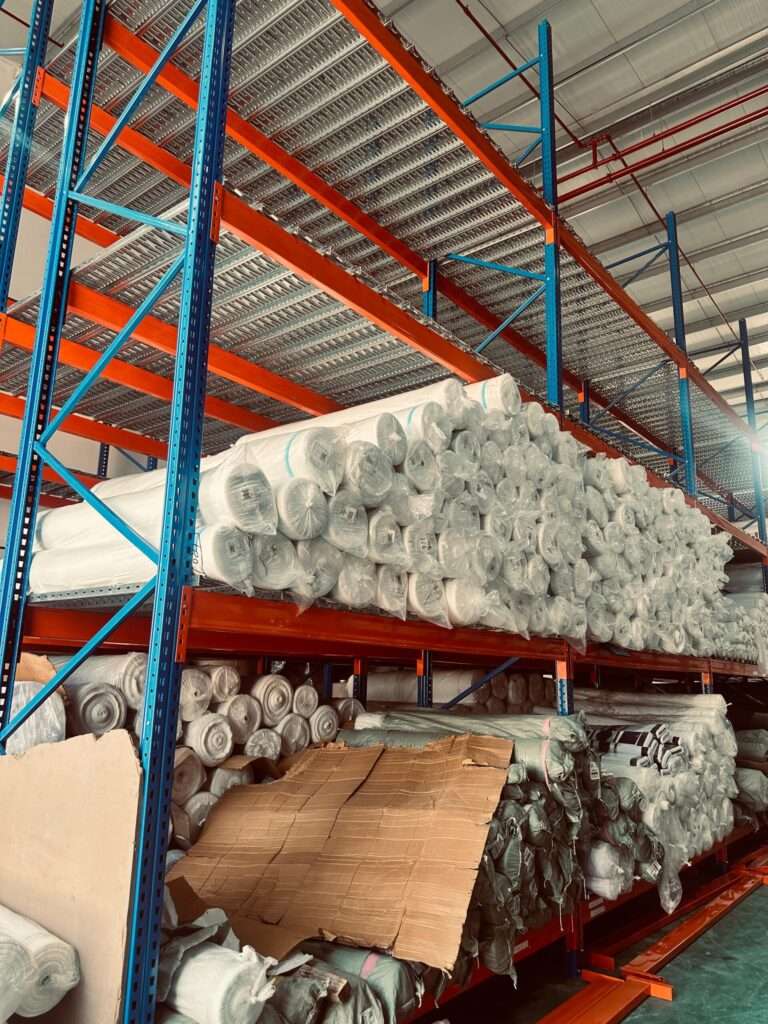
Warehouse racking systems are designed to maximize storage efficiency while maintaining safety and flexibility. One small but very important component in these systems is the racking frame pitch hole. Although it may look like a simple perforation on the upright frame, the pitch hole plays a major role in determining how adjustable and functional a racking system can be.
What is a RackFrame Pitch Hole?
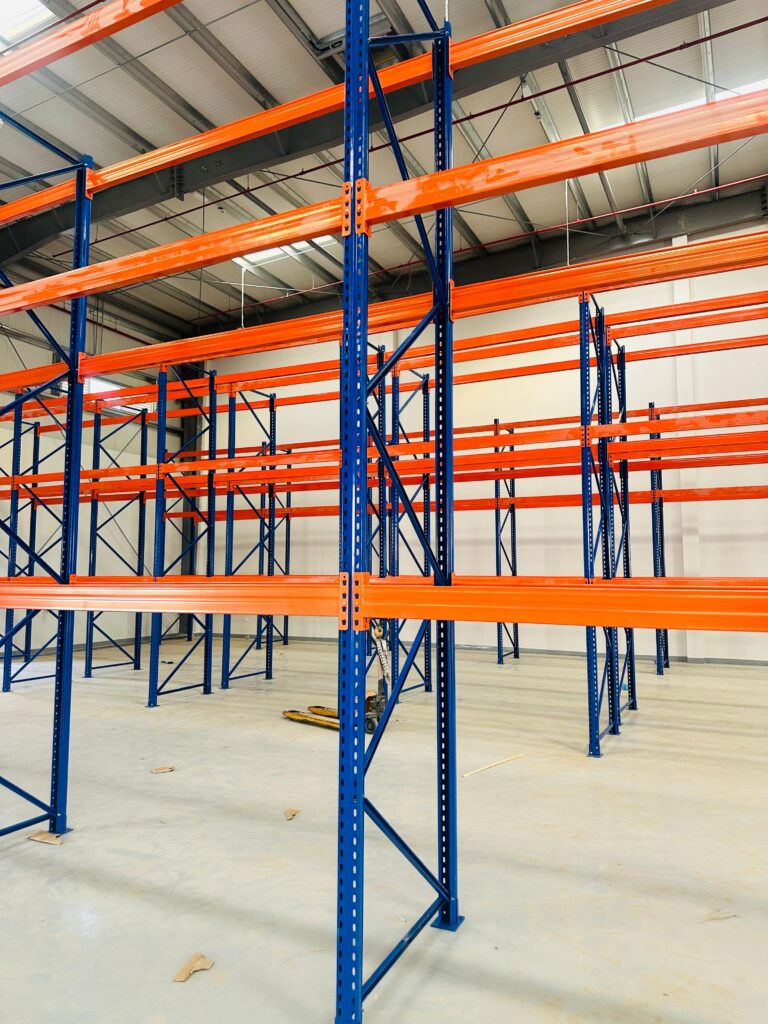
A racking frame pitch hole refers to the evenly spaced holes or slots found along the vertical upright frames of a pallet racking system. These holes allow horizontal beams, shelves, or accessories to be connected securely to the frame at different heights.
The term “pitch” describes the distance between one hole and the next on the upright frame. This spacing determines how precisely the storage levels can be adjusted. In simple terms, the smaller the pitch, the more flexible the racking system becomes when configuring shelf heights.
In most industrial pallet racking systems, pitch holes are designed in standardized measurements to ensure compatibility between beams, connectors, and accessories.
Common Pitch Hole Sizes
Different manufacturers use different pitch measurements depending on the racking system design. However, some common pitch sizes used in warehouse racking include:
- 50 mm pitch
- 75 mm pitch
- 76.2 mm pitch (3 inches)
- 100 mm pitch
A smaller pitch measurement allows for more precise adjustments of beam levels. This is especially useful in warehouses where pallet heights vary frequently.
Purpose of Pitch Holes in Rack Systems
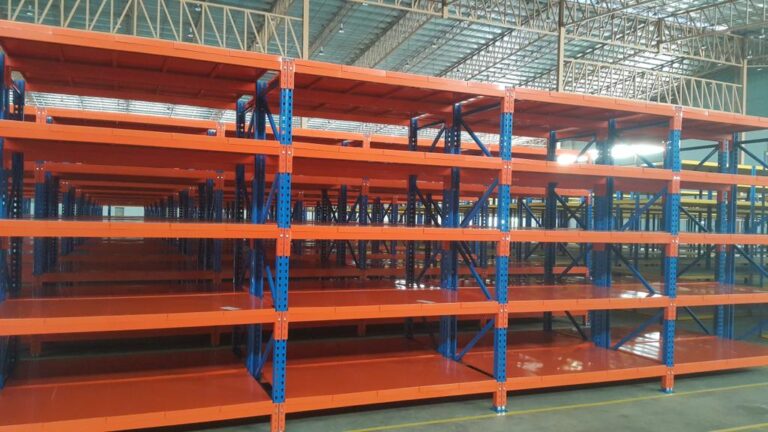
The main function of pitch holes is to allow beams to be installed at different heights along the upright frame. This provides several advantages for warehouse storage systems.
1. Adjustable Storage Levels
One of the biggest benefits of pitch holes is the ability to adjust beam levels according to the height of stored products. Warehouses often handle pallets of different sizes, and adjustable beam levels allow operators to optimize vertical space.
2. Flexible Warehouse Layout
Businesses grow and storage requirements change over time. With multiple pitch holes along the frame, warehouse managers can easily reconfigure rack levels without replacing the entire structure.
3. Easy Installation and Assembly
Racking systems are designed for quick installation. The beam connectors simply fit into the pitch holes and lock securely in place, reducing installation time and labor.
4. Improved Structural Stability
When beams are correctly installed into pitch holes and secured with safety locks, the load is evenly distributed across the frame. This helps maintain the structural strength and stability of the racking system.
Types of Hole Designs Used in Racking Frames
Although the concept of pitch holes is the same across most rack systems, the shape of the holes may vary depending on the manufacturer and load requirements.
Teardrop Holes
Teardrop-shaped holes are widely used in many pallet racking systems. This design allows beams to be easily inserted and locked into position, making installation fast and efficient.
Round Holes
Round holes are commonly found in light-duty shelving systems. They are simple in design and work well for storage solutions that do not require heavy load capacities.
Diamond or Keyhole Slots
Some heavy-duty industrial racking systems use diamond or keyhole-shaped slots. These provide stronger beam connections and increased safety for high-load storage environments.
Importance of Proper Pitch Design
The spacing and design of pitch holes are carefully engineered to ensure safety and performance. Incorrect spacing or poor-quality manufacturing can lead to installation issues or uneven load distribution.
High-quality rack manufacturers ensure that pitch holes are accurately punched and aligned, allowing beams to fit perfectly and maintain the structural integrity of the rack system.
Additionally, safety locking pins or clips are usually installed after beams are placed into pitch holes. These prevent accidental beam dislodgement caused by forklift movement or vibrations in the warehouse.
How Pitch Holes Improve Warehouse Efficiency
In modern logistics and distribution centers, storage systems must adapt quickly to changing inventory needs. Rack frame pitch holes make this possible by allowing racks to be adjusted without major structural modifications.
For example, if a warehouse begins storing taller pallets, the beam levels can be moved upward using different pitch holes. Similarly, if smaller products are introduced, more storage levels can be added within the same rack frame.
This flexibility helps companies maximize storage capacity, improve organization, and reduce wasted vertical space.
Conclusion
The racking frame pitch hole may appear to be a small detail in a warehouse racking system, but it plays a critical role in ensuring flexibility, safety, and efficiency. By allowing beams and shelves to be installed at various heights, pitch holes make pallet racking systems highly adaptable to different storage requirements.
Whether used in distribution centers, manufacturing facilities, or retail warehouses, properly designed pitch holes enable businesses to make the most of their available storage space while maintaining strong and stable racking structures.
A well-engineered racking system with precise pitch holes ensures easy installation, adjustable storage levels, and long-term reliability, making it an essential feature of modern warehouse storage solutions.