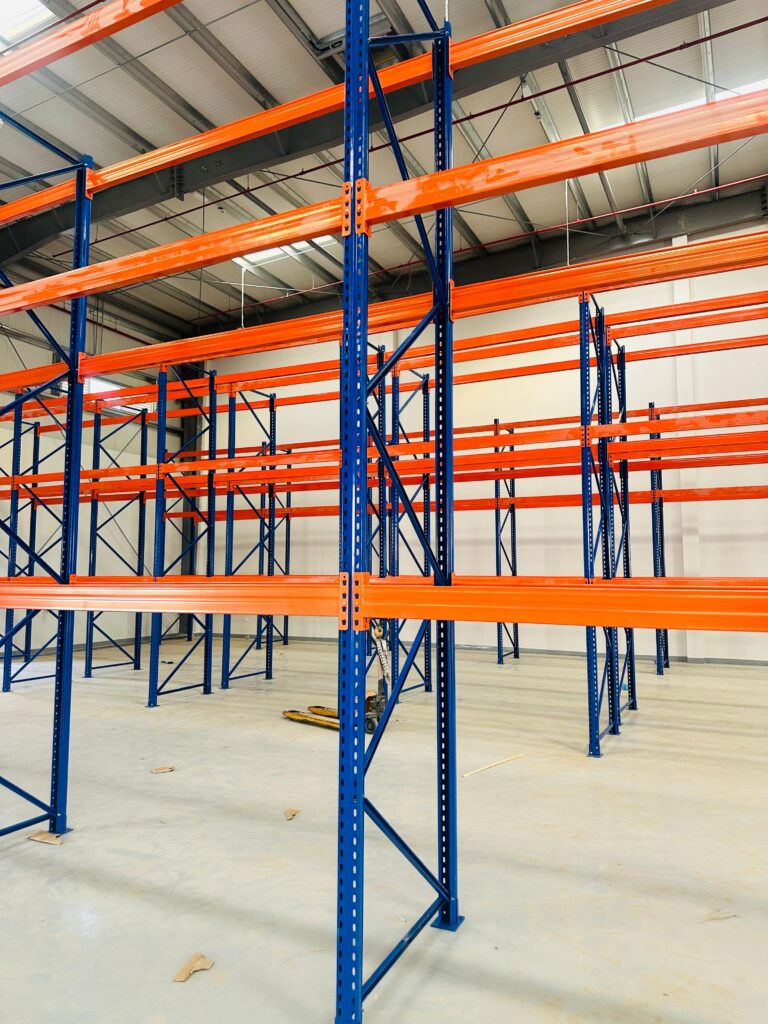
Heavy Duty Pallet Racking: The Smart Storage Solution Your Warehouse Can’t Afford to Ignore
If you’ve ever walked into a warehouse and felt instantly overwhelmed by the sheer amount of “stuff” that somehow needs to fit in a finite space — you’re not alone. Whether you’re managing a growing e-commerce operation, a manufacturing facility, or a large-scale distribution center, finding the right storage system isn’t just a logistical decision. It’s a business one.
And that’s exactly where heavy duty pallet racking comes in.
What Is Heavy Duty Pallet Racking, Exactly?
Let’s start at the beginning — because not all racking systems are created equal.
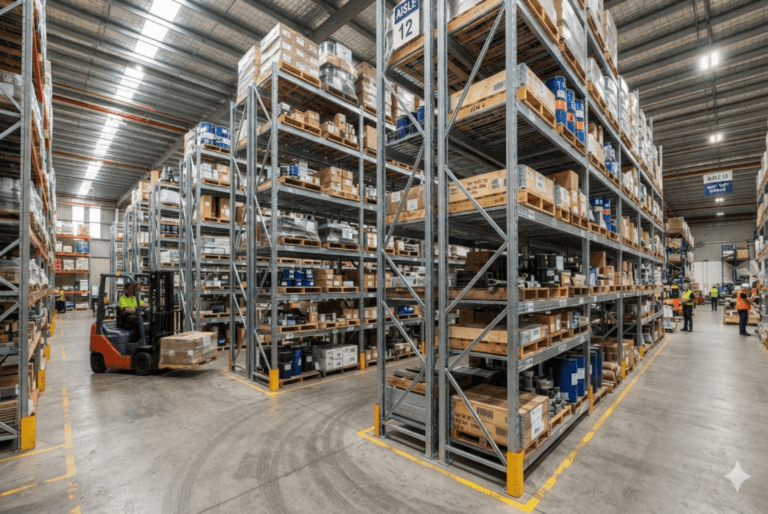
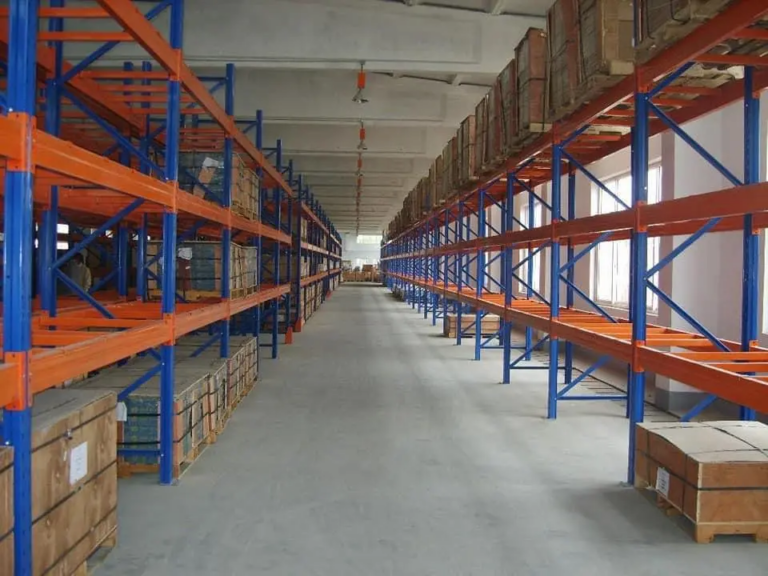
Heavy duty pallet racking is a structural steel storage system specifically engineered to hold large, heavy loads — typically palletized goods — at multiple vertical levels. Unlike standard shelving that’s designed for lighter or manually-handled items, heavy duty systems can support loads ranging from 500 kg to well over 5,000 kg per pallet position, depending on the configuration.
These racks aren’t just big shelves. They’re precision-engineered structures with upright frames, horizontal load beams, and various accessories designed to maximize both storage density and operational safety.
Why Businesses Are Choosing Heavy Duty Racking Over Other Options
Here’s the honest truth: there are dozens of storage solutions on the market. So why does heavy duty pallet racking keep coming out on top for serious warehouse operations?
1. It Makes the Most of Your Vertical Space
Floor space is expensive. Really expensive. Heavy duty racking systems let you stop thinking horizontally and start thinking vertically. Modern systems can reach heights of 10 to 12 meters or more, effectively multiplying your usable storage capacity without expanding your building footprint.
That means more product stored, more orders fulfilled, and a better return on your facility costs.
2. Forklift Accessibility Makes Operations Faster
Unlike bulk storage methods where you’re constantly moving product to access what’s underneath, a properly designed pallet racking system gives forklift operators direct access to every pallet, at any time. This dramatically speeds up picking, loading, and inventory management — and reduces the chance of product damage from unnecessary handling.
3. It Adapts as Your Business Grows
One of the most underappreciated advantages of heavy duty racking is its modularity. As your inventory grows or your storage needs change, you can add bays, adjust beam heights, or reconfigure entire sections without starting from scratch. Your racking system grows with your business — not against it.
4. Built to Last (and to Code)
Quality heavy duty racking is manufactured to meet strict international safety standards, including EN 15512 (in Europe) and AS 4084 (in Australia). These aren’t just numbers on paper — they represent rigorous structural testing to ensure your racking performs safely under real-world load conditions.
Types of Heavy Duty Pallet Racking Systems
Not every warehouse has the same needs, which is why the industry offers several configurations. Here’s a quick breakdown:
Selective Pallet Racking
The most widely used system. It provides access to every individual pallet from the aisle without moving any other stock. Perfect for warehouses with a high SKU count and a First In, First Out (FIFO) inventory model.
Best for: Retail distribution, pharmaceutical, food and beverage
Drive-In / Drive-Through Racking
Forklifts actually drive into the racking structure to place or retrieve pallets. This system sacrifices selectivity for extremely high storage density — ideal when you have large quantities of the same product.
- Drive-In: Single entry point, Last In First Out (LIFO)
- Drive-Through: Entry from both sides, FIFO compatible
Best for: Cold storage, bulk goods, seasonal inventory
Push-Back Racking
Pallets are loaded from the front and pushed back onto inclined rails. When the front pallet is removed, the one behind rolls forward automatically. You get multiple pallet depths with front access only — a great middle ground between selectivity and density.
Best for: Operations needing higher density than selective racking but more product variety than drive-in
Pallet Flow (Gravity Flow) Racking
Pallets are loaded from the back and flow forward on roller conveyors by gravity. This gives you automatic FIFO rotation, making it ideal for products with strict date management requirements.
Best for: Perishable goods, food production, high-volume distribution
Cantilever Racking
Designed for long, awkward, or irregularly shaped items that don’t sit well on standard shelving. Arms extend outward from a central spine with no front uprights blocking access.
Best for: Timber, pipes, steel bars, furniture
Key Factors to Consider Before You Buy
Investing in a heavy duty racking system is a long-term decision. Here’s what you genuinely need to think through before you sign anything:
Load Capacity Requirements
Know the weight of your heaviest pallets — then add a safety buffer. Always spec your racking system for more than your current maximum load, not just exactly what you need today.
Warehouse Dimensions
Ceiling height, column positions, floor levelness, and door locations all affect your racking design. A professional site survey before installation isn’t just recommended — it’s essential.
Forklift Type and Turning Radius
Your racking aisle width must accommodate the forklifts you operate. Counterbalance forklifts need wider aisles than reach trucks or VNA (Very Narrow Aisle) machines. Getting this wrong creates safety hazards and operational headaches.
Inventory Management Method
Are you running FIFO or LIFO? How frequently do you access each SKU? Answering these questions honestly will point you toward the right racking configuration.
Future Growth Plans
Think 3 to 5 years ahead, not just today. A slightly larger investment now in a scalable system can save you significant cost and disruption later.
Safety: The Non-Negotiable Part of Pallet Racking
Any conversation about heavy duty racking that doesn’t mention safety isn’t complete.
Racking collapses — though rare — can cause serious injury, product loss, and operational shutdowns. Here’s how to keep your system safe:
- Regular inspections: A trained assessor should inspect your racking at least annually, with informal checks done regularly by staff
- Damage reporting: Implement a clear process for staff to report any impact damage immediately — a dented upright that looks minor can significantly reduce load capacity
- Column guards and end-of-aisle protectors: These low-cost additions protect your uprights from forklift impact, which is the number one cause of racking damage
- Load notices: Every racking bay should display its Safe Working Load (SWL) clearly — and staff should understand what those numbers mean
- Manufacturer specifications: Never modify racking or mix components from different manufacturers without engineering approval
Installation: Should You DIY or Go Professional?
Short answer: go professional, especially for heavy duty systems.
Heavy duty pallet racking involves significant structural engineering. While assembly itself isn’t technically complex, correct anchoring to the floor, proper leveling, beam clip engagement, and compliance with local building codes are all critical steps that require experienced hands.
A poorly installed system might look fine on day one — but under load and over time, small errors compound into serious risks.
Most reputable racking suppliers offer full installation services, and many will also provide an engineering certificate post-installation for compliance records.
How to Choose the Right Racking Supplier
The market is full of options, and not all racking is equal. Here are the questions worth asking before you commit:
- Is the product certified? Look for compliance with relevant standards (EN 15512, FEM, AS 4084, RMI, etc.)
- Do they offer a site survey? Any serious supplier will want to assess your space before quoting
- What’s the warranty? Heavy duty racking should carry a meaningful structural warranty
- Do they handle installation? Suppliers who install their own systems tend to stand behind their product more confidently
- Can they provide references? Established suppliers will have case studies or references from similar industries
Real Costs: What to Expect
Pricing varies widely based on system type, height, load capacity, quantity, and location. That said, here’s a rough ballpark for selective pallet racking as a starting reference:
| Configuration | Approximate Cost Range |
|---|---|
| Basic selective racking (per bay) | $300 – $700 |
| Heavy duty selective (per bay) | $600 – $1,500+ |
| Drive-in systems | Higher per bay due to complexity |
| Flow racking | Premium pricing due to roller mechanisms |
These figures don’t include delivery, installation, or accessories — always request a fully itemized quote.
The reality is that a well-specified, properly installed heavy duty racking system pays for itself quickly through better space utilization, faster operations, and reduced product damage.
Final Thoughts
Heavy duty pallet racking isn’t a purchase you make every year. For most businesses, it’s a multi-year investment that forms the physical backbone of their warehouse operations. Getting it right means understanding your current needs, planning for growth, choosing quality products, and partnering with a supplier who knows what they’re doing.
The good news? When you do get it right, the difference is immediately visible — in your storage capacity, your team’s efficiency, and your bottom line.
If you’re in the process of evaluating a racking system or upgrading an existing one, take the time to do a proper site survey, get multiple quotes, and ask the hard questions. Your future warehouse manager will thank you.
Looking to get a quote or learn more about the right racking system for your operation? Reach out to a certified racking consultant in your area — a quick site visit can tell you more than any brochure ever could.