Selective Pallet Racking Storage Systems in Dubai: Expert Installation Guide
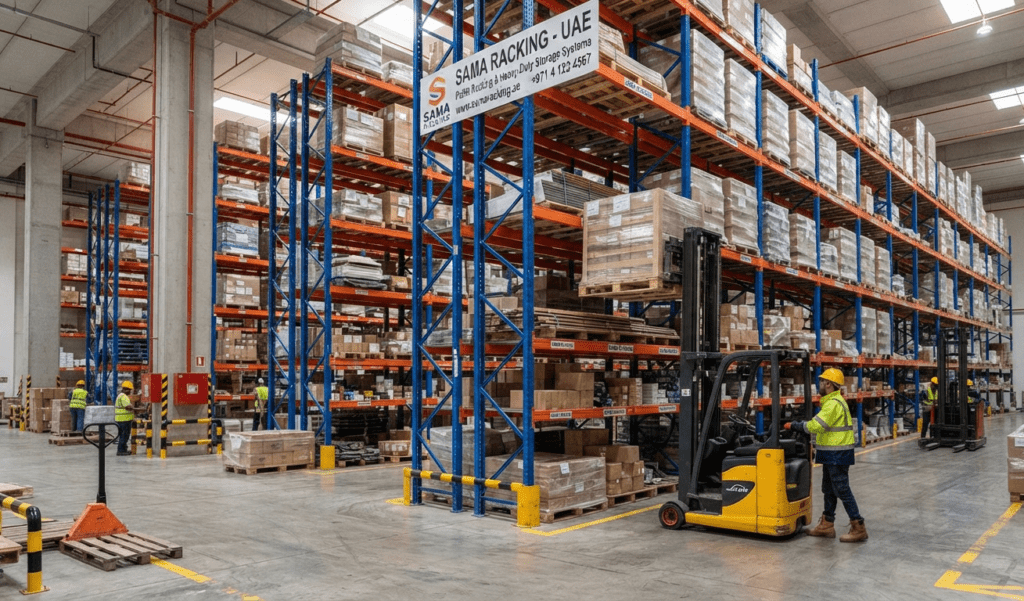
If you’re running a warehouse in Dubai and looking for a storage solution that balances cost, flexibility, and easy access to inventory, selective pallet racking is usually the first system worth considering. It’s the most widely used racking type in the region, and for good reason. Here’s a closer look at why it works so well, and what to keep in mind when planning an installation.
What Makes Selective Pallet Racking So Popular
Selective pallet racking is designed around one core advantage: direct access to every single pallet, at any time, without needing to move other stock out of the way. For businesses handling a wide variety of SKUs or products with different turnover rates, this is a major benefit. A warehouse team can pull exactly what’s needed without shuffling pallets around, which saves time and reduces the risk of damage during retrieval.
This system also tends to be the most budget-friendly racking option upfront. Compared to drive-in, push-back, or automated storage systems, selective racking has a simpler structure, which makes both the initial investment and future reconfiguration less costly. For businesses that expect their inventory needs to change over time, that flexibility matters.
Why Dubai Warehouses Lean Toward This System
Dubai’s logistics and retail sectors move fast, with businesses often storing a mix of fast-moving and slow-moving goods under one roof. Selective racking suits this kind of environment because it doesn’t force a business to organize inventory around the limitations of the racking system itself. Instead, the racking adapts to however the warehouse operates.
Warehouse space in Dubai also isn’t unlimited, especially in established industrial zones. Selective pallet racking makes efficient use of vertical space while still keeping every aisle accessible for forklifts, which helps businesses avoid the cost of expanding their footprint just to store more stock.
Key Components of a Selective Racking System
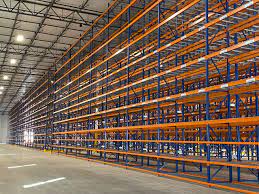
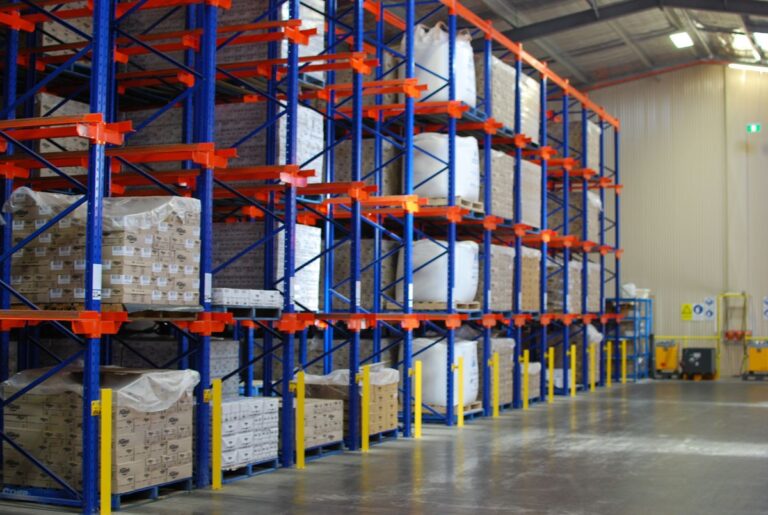
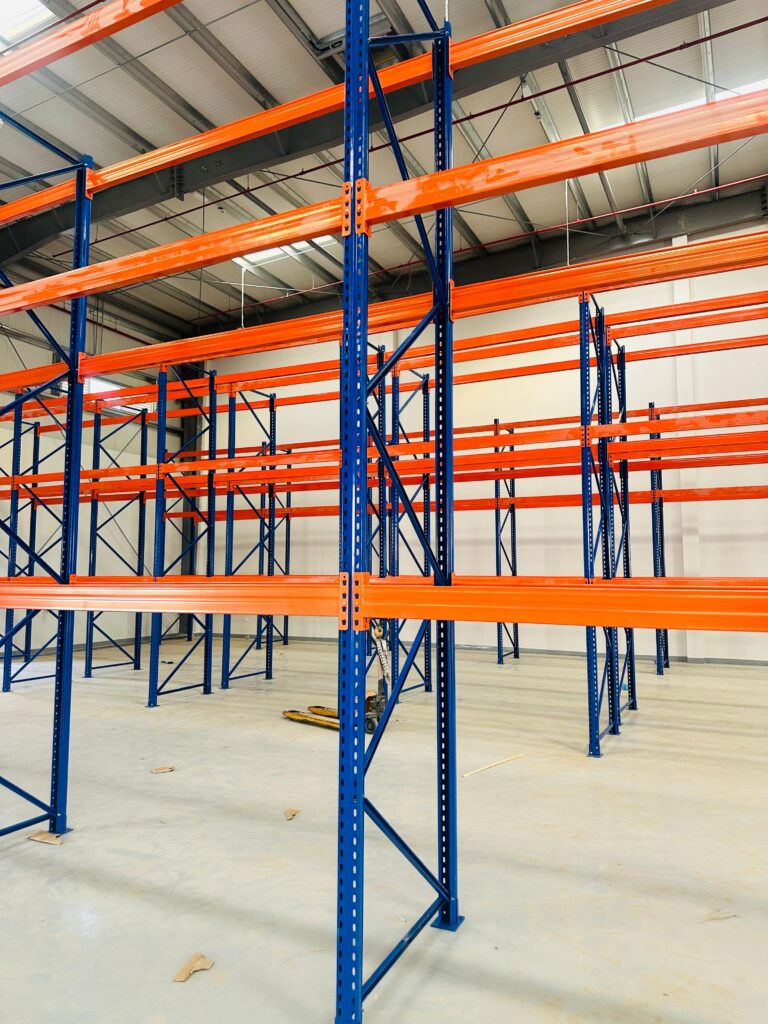
A typical setup includes upright frames, horizontal beams, and safety accessories like beam locks, frame guards, and row spacers. The system is usually built to work with standard forklifts, whether counterbalance or reach trucks, so most existing warehouse equipment doesn’t need to change to accommodate it.
Beam levels can be adjusted based on pallet height, which is one of the more practical features for warehouses storing varied product sizes. A single bay might hold pallets of different heights across different levels without wasting vertical space.
What Goes Into a Proper Installation
Getting selective pallet racking installed correctly is just as important as choosing the right system. A rushed or poorly planned installation can lead to structural issues, inefficient use of space, or safety hazards down the line. A proper installation process generally includes the following steps.
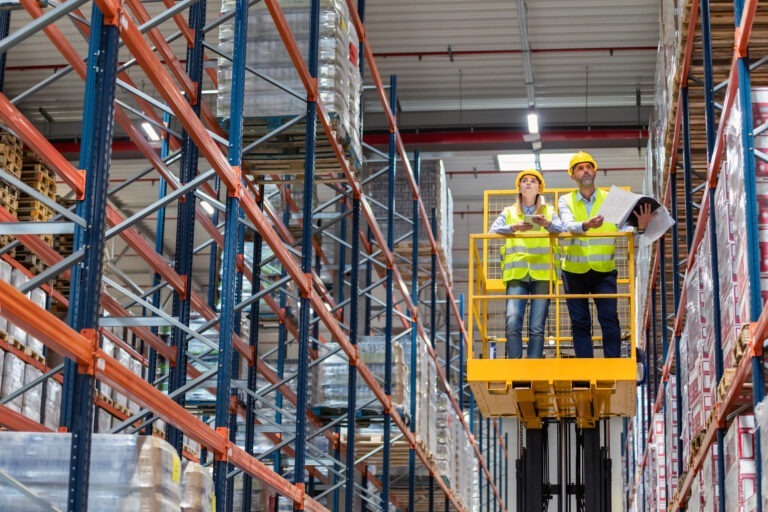
First comes a site assessment, where the warehouse layout, ceiling height, floor condition, and forklift turning radius are all measured and reviewed. This step determines how many bays can fit, how tall the racking can go, and where aisles need to be positioned.
Next is the racking design and layout plan, which should account for load capacity requirements, pallet dimensions, and how much clearance forklifts need to operate safely. This is also where compliance with UAE safety and building codes comes into play, since racking systems above a certain height often require structural approval.
After the design is finalized, the actual installation involves anchoring upright frames to the floor, securing horizontal beams, and fitting safety accessories like column protectors and load signage. A reliable installer will also load-test the racking before handing the warehouse back over for use.
Questions Worth Asking Before Hiring an Installer
Not all racking suppliers offer the same level of service, so it helps to ask a few direct questions before committing to one.
- Do they handle the full process, from design to installation, or only supply the materials?
- Can they provide load capacity documentation and safety certifications for the racking?
- Do they offer maintenance or inspection services after installation?
- How do they handle warehouses with irregular layouts or existing structural constraints?
- What’s the expected turnaround time from site survey to completed installation?
Getting clear answers to these questions upfront can prevent delays and unexpected costs later in the project.
Maintenance Matters More Than Most Businesses Expect
Once installed, selective pallet racking isn’t a “set it and forget it” system. Forklift collisions, overloading, and general wear can weaken racking over time, even when the initial installation was done correctly. Routine inspections help catch bent frames, loose bolts, or damaged beams before they become safety issues. Many Dubai warehouses schedule these checks every few months, particularly in high-traffic storage areas.
Final Thoughts
Selective pallet racking remains one of the most practical storage solutions for warehouses across Dubai, offering a strong mix of accessibility, cost efficiency, and adaptability. The real difference between a racking system that performs well for years and one that causes ongoing problems usually comes down to installation quality and long-term maintenance.
If you’re planning a new warehouse setup or upgrading an existing one, working with an experienced local installer who understands UAE safety standards and can tailor the layout to your specific inventory needs will make a noticeable difference in how smoothly your storage operations run.