GI Grating Suppliers in Dubai construction and industrial sectors don’t slow down, and neither does the demand for materials that can keep up with the pace. GI grating has become a go-to choice across warehouses, parking structures, oil and gas facilities, and infrastructure projects throughout the emirate. But with so many suppliers advertising the same product, it helps to understand what actually separates a dependable supplier from one that will leave you dealing with delays, mismatched panels, or premature rusting.
Why Dubai Projects Lean on GI Grating Suppliers in Dubai
GI Grating Suppliers in Dubai climate is unforgiving on standard steel. Between the heat, salt-laden coastal air, and dust that settles into every joint and seam, untreated metal deteriorates fast. Galvanized iron grating solves this through hot-dip galvanization, where steel is dipped into molten zinc to form a protective coating that resists rust far longer than paint or powder coating ever could.
What makes this process particularly valuable is that the zinc doesn’t just sit on the surface. It bonds with the steel and continues protecting exposed areas even if the coating gets nicked or scratched during transport or installation. For contractors working on multi-year infrastructure contracts, this kind of durability translates directly into lower maintenance costs and fewer replacement cycles.
Where Dubai Uses GI Grating Most
GI Grating Suppliers in Dubai industrial zone in Dubai, from Jebel Ali to Al Quoz, and GI grating shows up constantly. Oil and gas terminals use it for platform decking and stair treads where non-slip surfaces are essential for worker safety. Water and wastewater facilities rely on it for trench covers, catwalks, and drainage channels that stay exposed to moisture year-round.
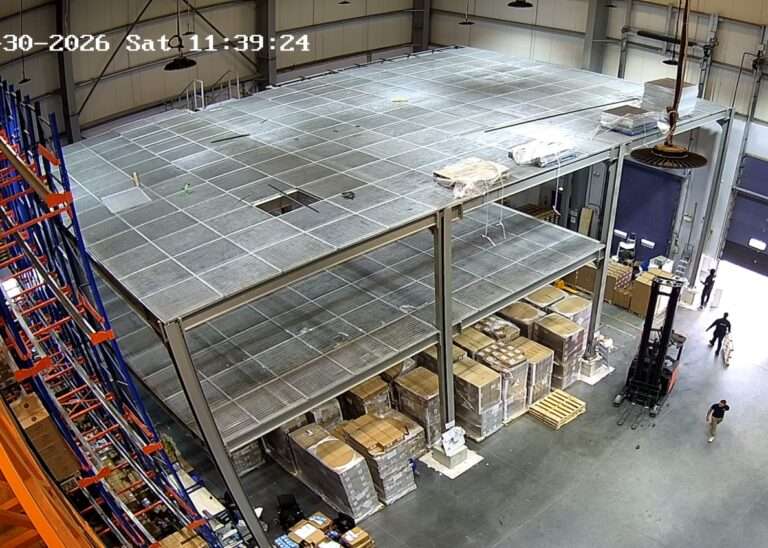
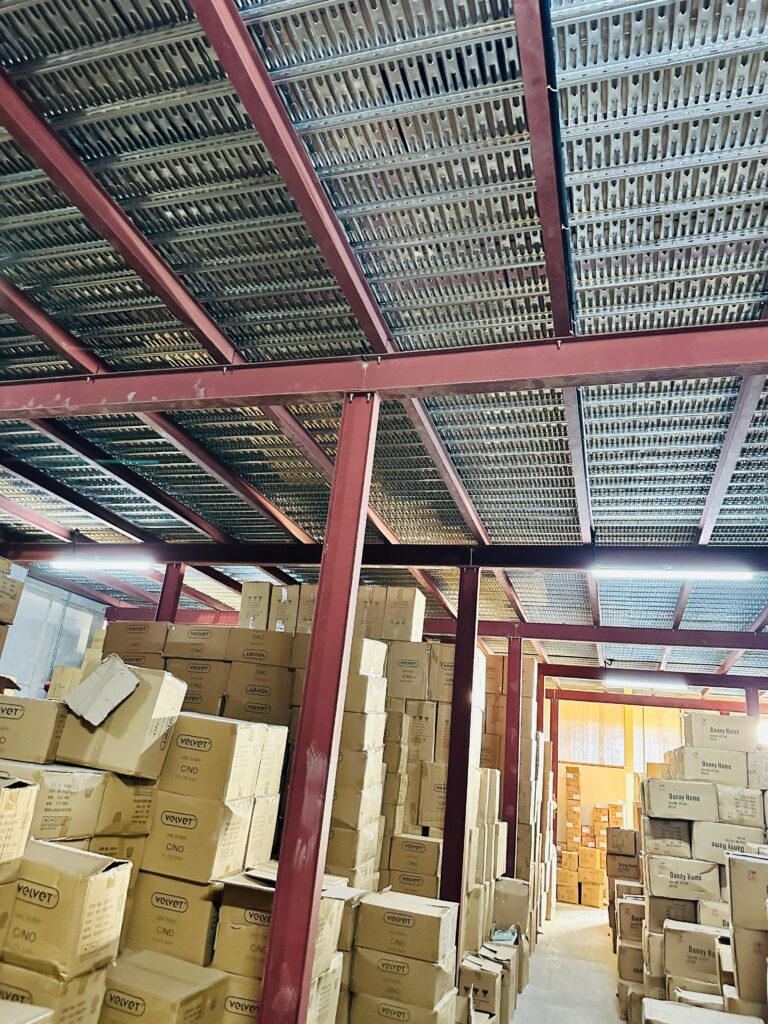
Commercial and residential developments use it too, often for tree grates, drainage grilles, and mezzanine flooring in retail or warehouse spaces. Parking structures across the city favor grating over solid covers for drainage areas since it lets water pass through without pooling, reducing long-term surface damage.
What Separates Reliable GI Grating Suppliers in Dubai From the Rest
Manufacturing capability is the first thing worth checking. Suppliers who handle both fabrication and galvanizing in-house generally offer tighter quality control than those relying on multiple subcontracted vendors. This also tends to mean faster turnaround, since fewer parties are involved in getting a panel from raw steel to finished product.
Documentation and certification matter more in Dubai than some buyers realize, especially for projects tied to government contracts, oil and gas operations, or facilities requiring specific compliance standards. A supplier who can readily provide mill certificates and zinc coating thickness reports is signaling that their process is consistent and verifiable, not just claimed on a spec sheet.
Customization options separate suppliers who understand real project needs from those working off a rigid catalog. Standard panel sizes cover a lot of ground, but Dubai’s mix of retrofits, unusual site dimensions, and specialized industrial applications often calls for custom bar spacing, panel dimensions, or load ratings. A supplier willing to fabricate to your exact specification, rather than pushing you toward their nearest stock item, tends to be more invested in getting the project right.
Stock availability shouldn’t be overlooked either. Dubai’s construction timelines are notoriously tight, and a supplier who keeps common sizes in stock while offering custom fabrication for everything else gives contractors flexibility that pure made-to-order suppliers can’t match.
Questions Worth Asking Before You Commit
Before finalizing a supplier, it’s worth getting direct answers on a few points. What load class is appropriate for your specific application, whether that’s pedestrian foot traffic, forklift zones, or heavy vehicle areas? What’s the actual zinc coating thickness, and does it meet the relevant ASTM or BS standards for your project type? What lead times can they realistically commit to, and what happens if there’s a delay?
It’s also reasonable to ask for references or examples of past projects in similar sectors. A supplier with a track record in oil and gas, municipal, or industrial work in Dubai specifically will understand site conditions and inspection requirements in a way that a generalist metal fabricator might not.
Getting It Right the First Time
Grating isn’t a material most people think about until it fails, but a poor installation or substandard product shows up quickly in the form of corrosion, uneven wear, or safety complaints from site workers. Taking the time upfront to vet a Dubai-based supplier on their fabrication process, certification transparency, and delivery reliability tends to save far more in avoided rework than any discount on unit pricing.
For contractors and facility managers across Dubai, the GI Grating Suppliers in Dubai worth building a long-term relationship with are the ones who treat grating as engineering, not just inventory, asking the right questions about load, environment, and application before recommending a product.