Running a warehouse Racking Systems in Abu Dhabi comes with its own set of challenges — soaring rents, limited floor space, and the constant pressure to move goods faster than your competitors. If you’ve ever walked into a storage facility and felt like the shelves were fighting for space instead of working with it, you already know why racking systems matter. The right setup doesn’t just tidy things up; it changes how your entire operation runs.
Why Racking Systems Matter More Than You Think
Racking Systems in Abu Dhabi and logistics sector has grown fast over the past decade, and with that growth comes real pressure on warehouse space. Land isn’t cheap, and neither is wasted vertical space. A well-designed racking system lets businesses stack inventory upward instead of spreading outward, which means more storage without needing a bigger footprint.
Beyond space savings, good racking improves safety, speeds up picking times, and reduces product damage. When pallets are stored haphazardly or shelving is mismatched to the load, you end up with bottlenecks, safety hazards, and frustrated staff. A properly engineered system solves all of that at once.
Racking Systems in Abu Dhabi Pallet Racking: The Backbone of Warehouse Storage
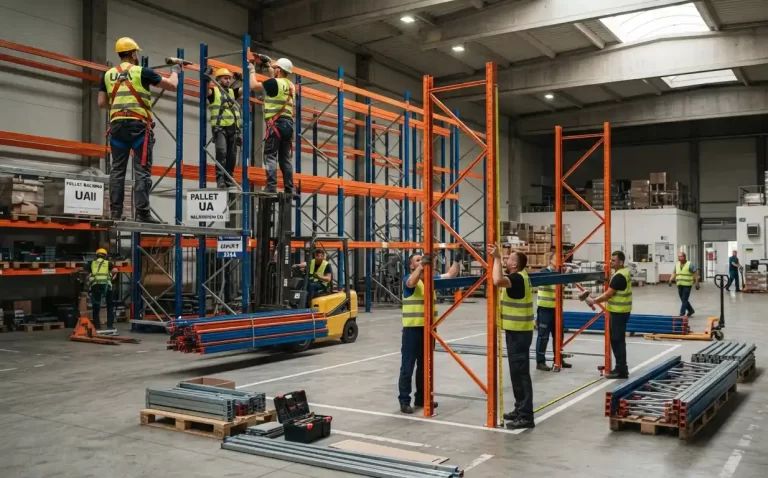
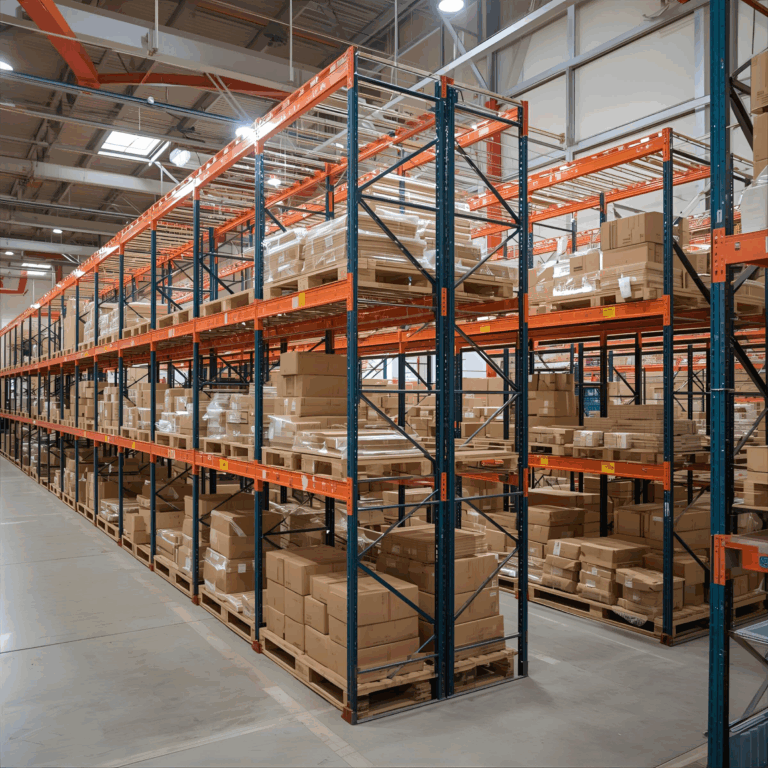
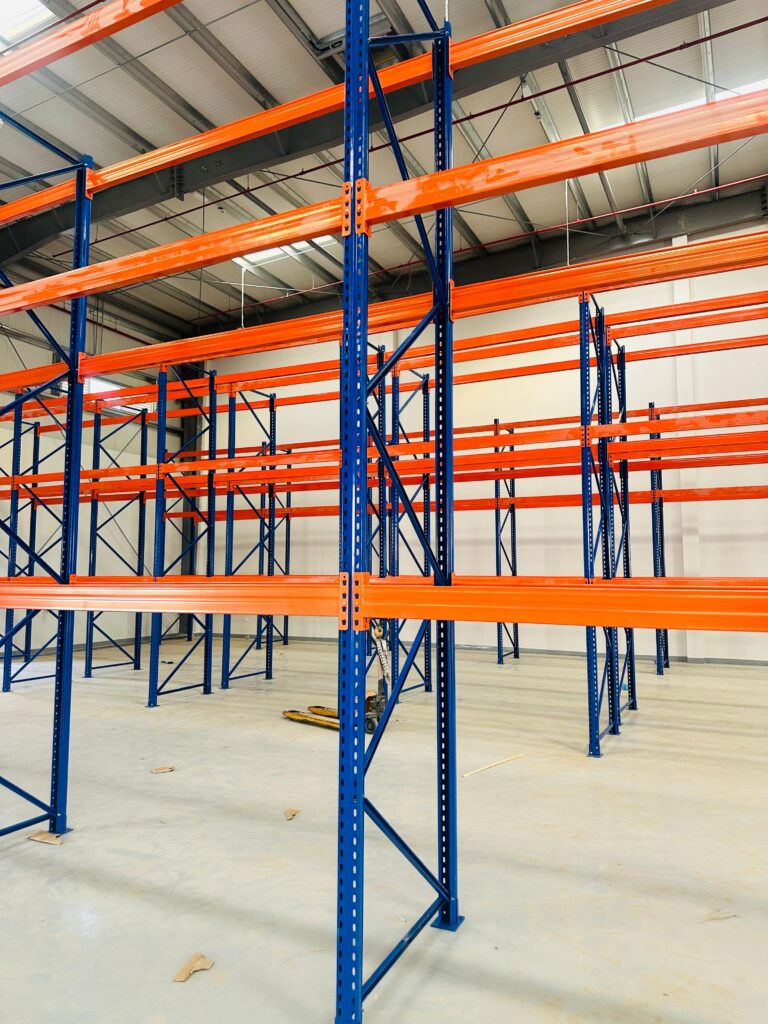
Racking Systems in Abu Dhabi is by far the most common storage solution across Abu Dhabi’s warehouses, distribution centers, and logistics hubs. It’s built to handle heavy loads on standard pallets, giving forklift operators easy access to every level.
A few types dominate the local market:
Selective Pallet Racking is the most widely used option because it allows direct access to every pallet without needing to move other loads first. It suits businesses with a wide variety of SKUs that need quick retrieval.
Drive-In and Drive-Through Racking works well for high-density storage where product variety is low but volume is high. Forklifts drive directly into the racking lanes, making it ideal for cold storage facilities or bulk goods.
Push-Back Racking uses a cart-and-rail system that lets pallets be loaded from one side and pushed back as new pallets arrive, operating on a last-in, first-out basis.
Cantilever Racking is built for long, awkward items like pipes, timber, or steel bars that don’t fit neatly onto standard pallets.
Choosing between these depends on your inventory turnover, product dimensions, and how quickly you need access to stock.
Industrial Storage Solutions Beyond Pallet Racking
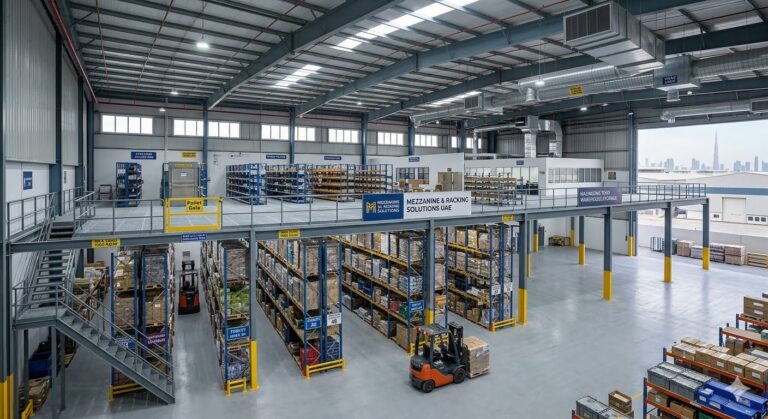
Not every warehouse runs on pallets alone. Many facilities in Abu Dhabi also need mezzanine floors, shelving for small parts, and mobile racking systems that maximize every square meter.
Mezzanine floors are particularly popular among businesses that can’t expand their building footprint but still need more usable space. Installing a mezzanine effectively doubles your storage or working area without the cost of relocating.
Mobile (or mobile compactor) racking systems are another smart choice for facilities with limited space but a large inventory. These systems sit on tracks and can be shifted together, eliminating the need for multiple aisles and freeing up significant floor space.
Light-duty shelving, meanwhile, handles smaller items like spare parts, tools, or retail stock, and is often used alongside heavier pallet systems to create a fully organized facility.
What to Consider Before Installing a Racking Systems in Abu Dhabi
Before committing to any system, it helps to think through a few practical points:
- Load capacity — know the weight of your heaviest pallets and design around that, not the average.
- Building height — taller ceilings mean you can go higher with selective or narrow-aisle racking, maximizing cubic storage.
- Forklift compatibility — narrow-aisle systems require specific forklift types, so plan equipment and racking together.
- Future growth — a system that fits today’s inventory might not fit next year’s; modular designs offer flexibility.
- Local compliance — racking should meet UAE safety standards, including proper load labeling and regular inspection schedules.
Working with a supplier who understands Abu Dhabi’s climate, regulations, and warehouse layouts saves a lot of trial and error. Local expertise means the racking is designed with the region’s humidity, dust, and operational realities in mind — not just a generic import.
Choosing the Right Supplier
Racking Systems in Abu Dhabi suppliers offer the same level of service. Look for a company that provides site assessments, custom design consultations, and installation support rather than just selling shelving units off a catalog. A good supplier will walk your facility, measure your space, ask about your inventory flow, and recommend a system that actually solves your problems — not just the most expensive option.
It’s also worth asking about after-sales support. Racking systems take a beating over time from forklifts, heavy loads, and daily wear. A supplier that offers maintenance, safety inspections, and replacement parts will save you money and downtime in the long run.
Final Thoughts
Racking Systems in Abu Dhabiaren’t just steel and shelving — they’re the framework that determines how efficiently your warehouse operates. Whether you need selective pallet racking for a fast-moving distribution center, drive-in systems for bulk storage, or a full industrial storage overhaul, getting the design right from the start pays off in space, safety, and speed.
If you’re planning a new facility or upgrading an existing one in Abu Dhabi, take the time to assess your inventory, growth plans, and building layout before choosing a system. The investment in proper planning now will save you far more in operational headaches later.