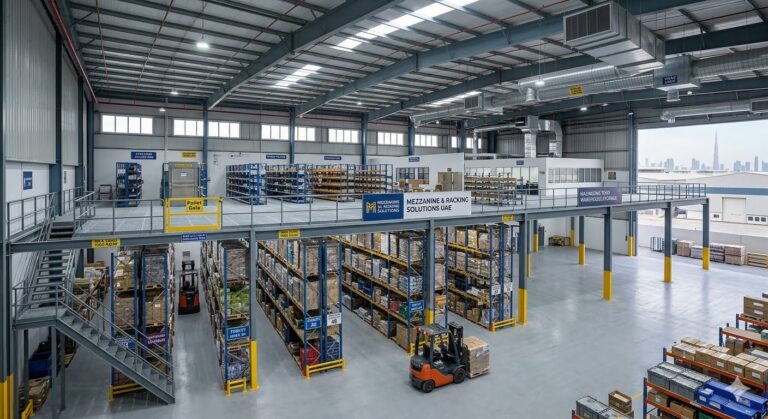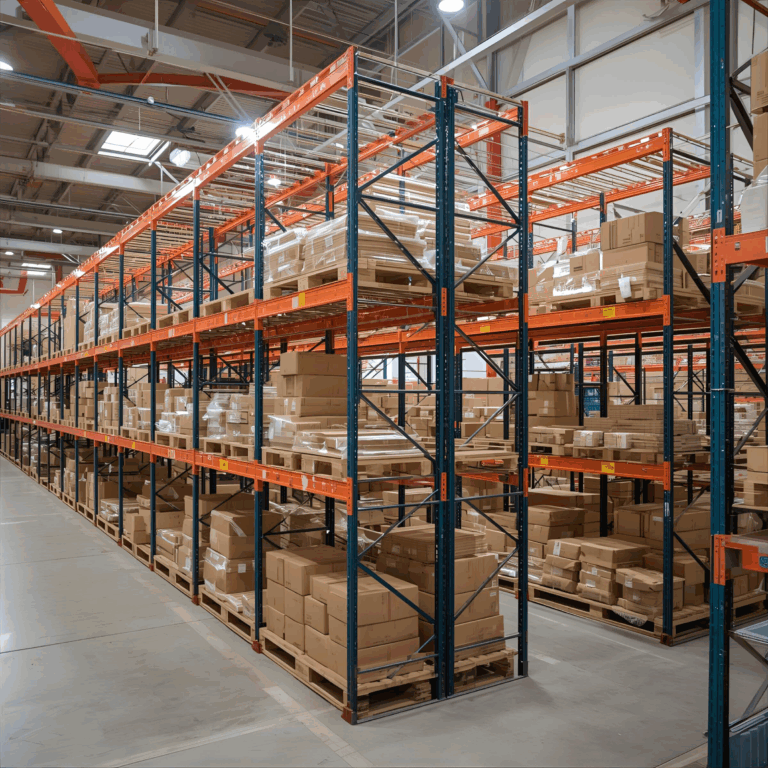

Walk into almost any Top 10 Warehouse Racking Mistakes in Dubai, Sharjah, or Abu Dhabi and you’ll see racking systems working hard — often too hard, and not always the right way. With the UAE’s logistics sector expanding fast on the back of e-commerce growth and free zone activity, more businesses are setting up storage facilities than ever. Unfortunately, speed of setup often comes at the cost of proper planning.
Racking failures aren’t just inconvenient. They can lead to product damage, injury, costly downtime, and in worst cases, structural collapse. Here are the ten most common racking mistakes seen across UAE warehouses, and how to avoid them.
1. Choosing the Wrong Warehouse Racking System
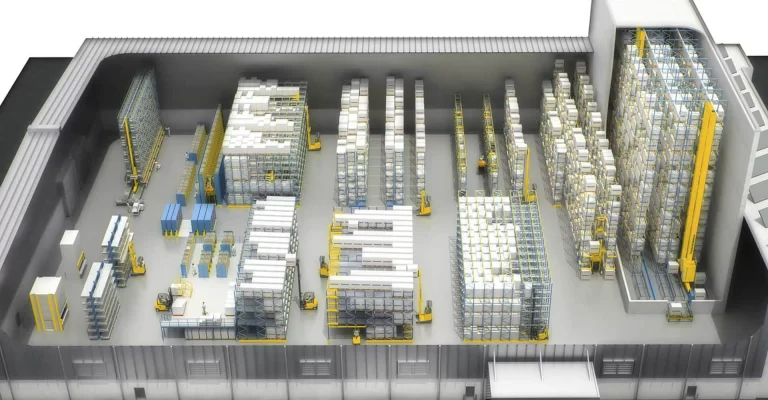
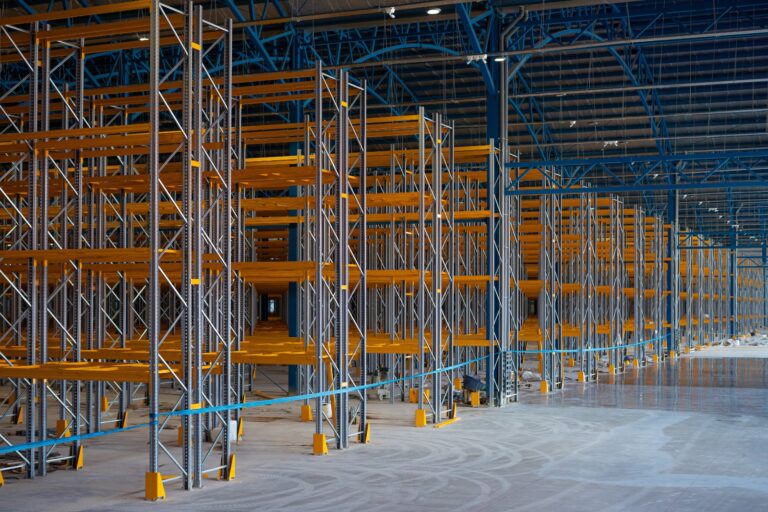
Selective pallet racking, drive-in racking, push-back systems, and cantilever racking each suit different inventory types and turnover rates. A common mistake is picking a system based on price or availability rather than matching it to actual SKUs, pallet dimensions, and picking frequency.
Fix: Map your inventory profile — size, weight, turnover speed, and picking method — before selecting a racking type.
2. Ignoring Local Load and Safety Standards Warehouse Racking
Many warehouses install racking designed for other markets without checking compliance with regional codes, or without verifying load ratings against UAE civil defense and municipality requirements.
Fix: Confirm suppliers provide engineering certification and load capacity documentation suited to your emirate.
3. Overloading Racking Beams
Overloading is one of the most frequent and dangerous mistakes. Teams sometimes stack pallets beyond rated capacity, especially during peak seasons like Ramadan restocking or year-end surges.
Fix: Display load capacity signage on every bay and train staff to check weight limits before loading.
4. Skipping Professional Installation Warehouse Racking
DIY or under-qualified installation is a major risk, particularly among smaller businesses cutting costs. Poorly anchored frames or incorrect beam locking can compromise the entire structure.
Fix: Always use certified installers who understand local flooring conditions and can guarantee structural integrity.
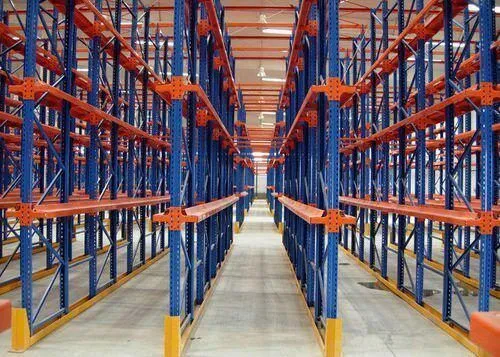
5. Poor Aisle Width Planning Warehouse Racking
Aisles that are too narrow increase collision risk with racking uprights — a leading cause of damage. Aisles that are too wide waste valuable floor space.
Fix: Plan aisle widths around your specific equipment’s turning radius, not generic assumptions.
6. Neglecting Regular Inspections
Racking takes daily abuse from forklifts and general wear, yet inspections are often an afterthought until something visibly breaks.
Fix: Run scheduled inspections — ideally quarterly — checking frame damage, beam deflection, connectors, and floor fixings.
7. Ignoring Environmental Factors
The UAE isn’t high-seismic-risk, but extreme heat, humidity, and dust can still affect racking components over time, especially unprotected steel.
Fix: Choose corrosion-resistant coatings and factor environmental conditions into material selection.
8. Ignoring Floor Condition Before Installation
Uneven or poorly cured concrete is common in newer UAE industrial zones. Installing racking on an unstable base leads to leaning frames and long-term stress.
Fix: Conduct a floor flatness and load-bearing assessment before installation begins.
9. Inadequate Staff Training
Even well-designed racking fails when staff aren’t trained on safe loading, forklift operation near racks, or damage reporting.
Fix: Make racking safety part of onboarding and refresh training regularly, especially for seasonal staff.
10. Overlooking Future Scalability
Businesses often design layouts around current stock levels without planning for growth, forcing costly reconfiguration later.
Fix: Work with a partner who can design flexible, modular layouts that adapt as your needs evolve.
Final Thoughts
Warehouse racking is easy to overlook until something goes wrong — and by then, fixing it costs far more than planning it properly. For UAE businesses navigating rapid logistics growth, the right racking system, proper installation, and ongoing maintenance protect your inventory, equipment, and people. A professional racking assessment is one of the most cost-effective steps you can take before problems arise.